
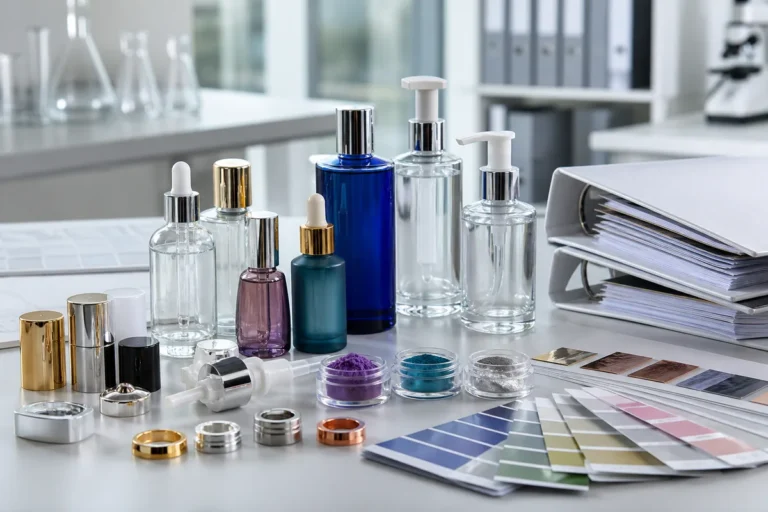
Heavy Metals in Cosmetic Packaging: Glass, Pigments, Inks & Decorative Components
A practical guide to heavy-metal risks in cosmetic packaging, evidence scope, supplier declarations, testing and component-level specifications.
A practical guide to heavy-metal risks in cosmetic packaging, evidence scope, supplier declarations, testing and component-level specifications.

A technical buyer guide to compliance evidence and risk control for coated, printed, hot-stamped, labeled and metallic cosmetic glass packaging.
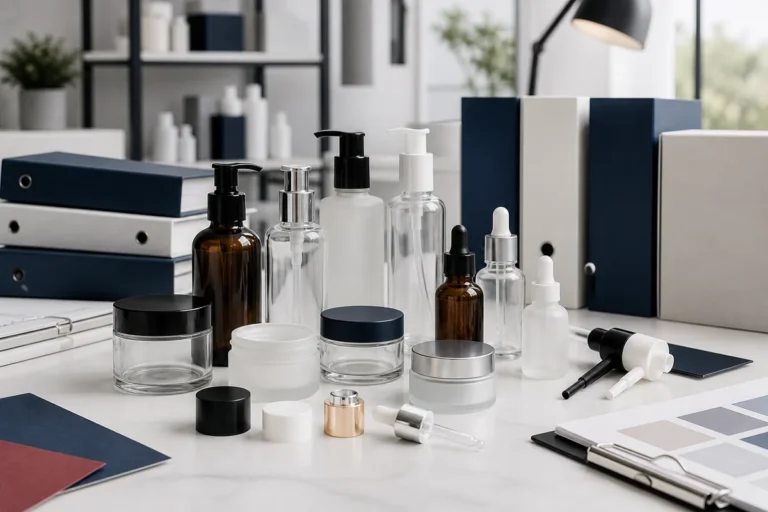
A practical guide to U.S. FDA cosmetic packaging basics for bottles, jars, closures, documentation and buyer decisions.
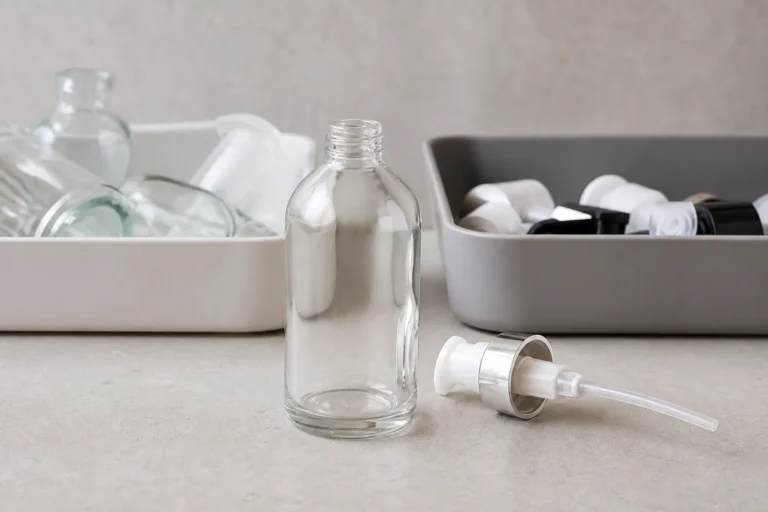
Glass bottle and pump recycling instructions depend on component materials and local systems. Treat them separately and qualify claims to match real access.

See how cosmetic glass bottle export packing uses project-specific wraps, dividers, trays, cartons and pre-shipment inspection.

A buyer’s workflow for sourcing custom cosmetic glass bottles from China, covering specifications, suppliers, RFQs, samples, quality, packing and shipping.

Compare clear, amber, colored, coated and frosted glass bottles for cosmetics, including branding and formula-protection considerations.
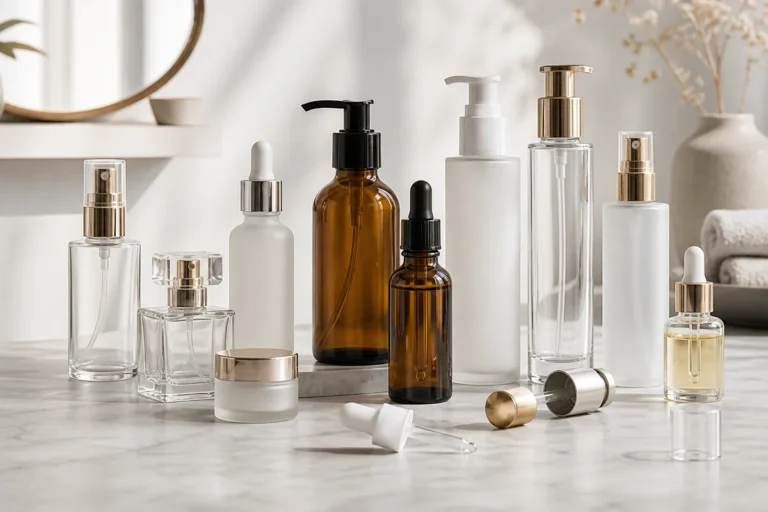
Understand cosmetic glass bottle types, uses, colors, shapes, neck finishes, closures, dispensing systems and customization as complete packaging systems.
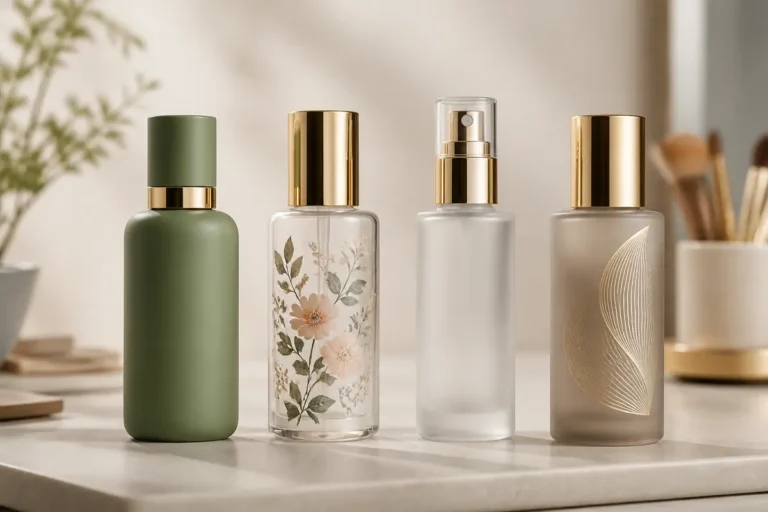
Compare cosmetic glass bottle decoration methods and learn how bottle shape, color approval, process order and durability affect production decisions.