

Premiumization vs Lightweighting: The New Tension in Cosmetic Glass Packaging
Premiumization and lightweighting are not opposite material targets; they are a design-allocation decision across the complete cosmetic packaging system.
Premiumization and lightweighting are not opposite material targets; they are a design-allocation decision across the complete cosmetic packaging system.

Heavy glass can still serve premium packaging, but brands increasingly require every extra gram to produce defensible perceptual or functional value.
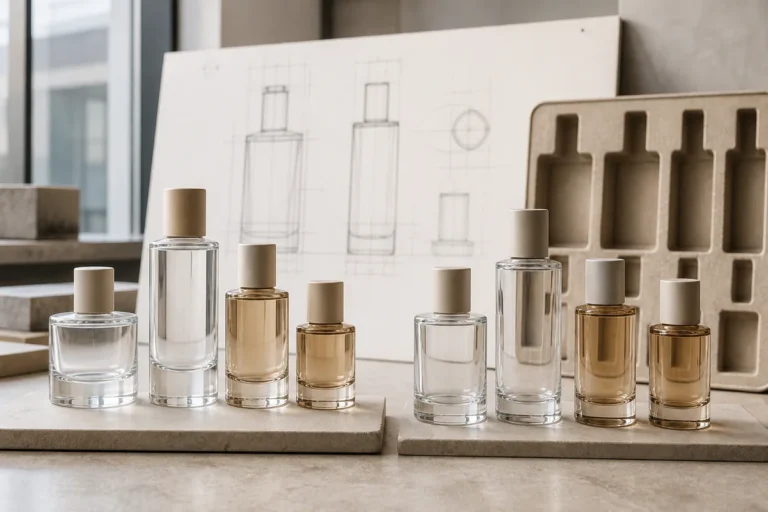
A technical buyer guide to reducing cosmetic glass weight without losing required function, appearance or transport performance.
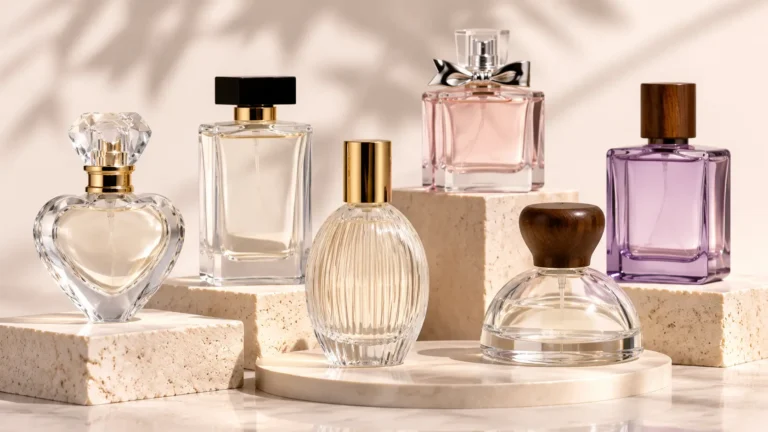
Explore distinctive perfume bottle shapes, glass colors, decoration methods and component choices, with practical guidance for fragrance brands considering stock or custom packaging.
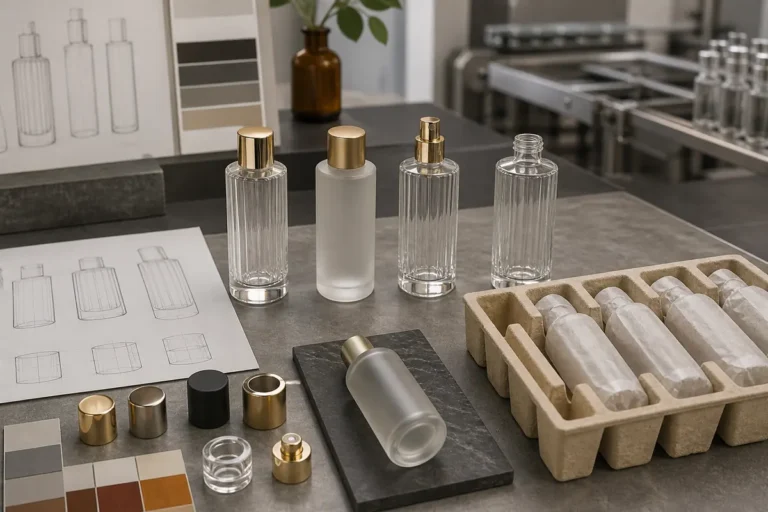
Plan custom cosmetic glass bottles from the first brief through structural design, decoration, samples, compatibility approval, production and packing.

A buyer’s workflow for sourcing custom cosmetic glass bottles from China, covering specifications, suppliers, RFQs, samples, quality, packing and shipping.

Compare clear, amber, colored, coated and frosted glass bottles for cosmetics, including branding and formula-protection considerations.
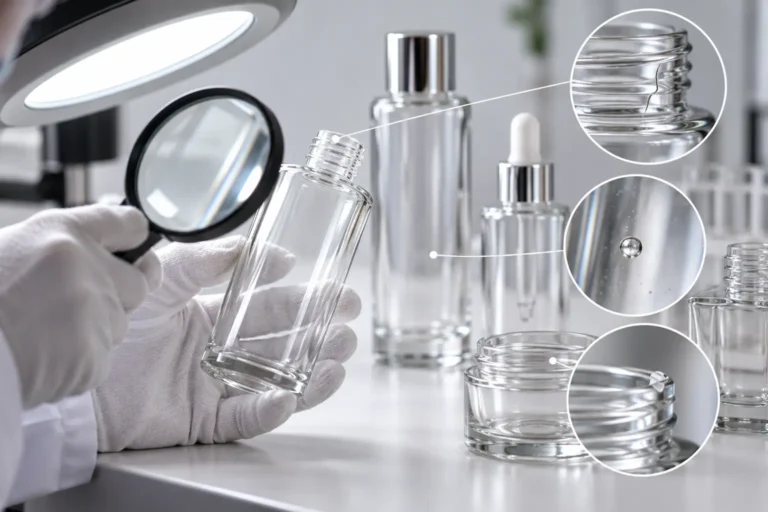
Learn how to identify glass bottle defects, inspect cracks and chips, and use relevant testing and sampling procedures before approving cosmetic packaging.
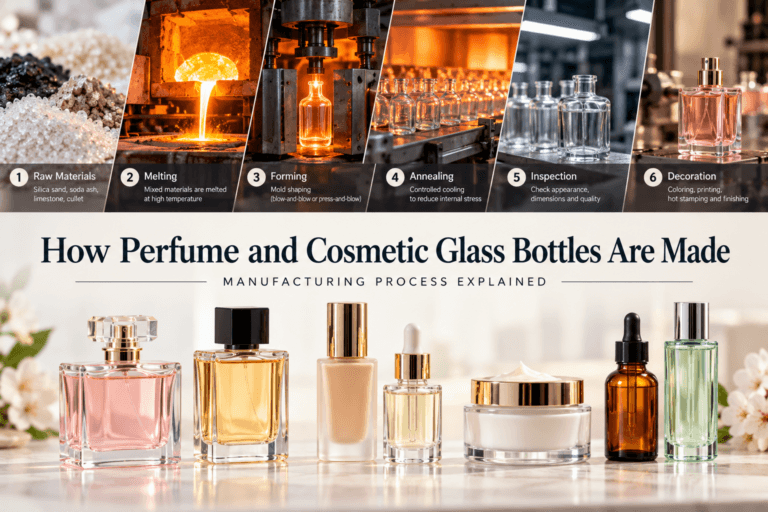
Explore how perfume and cosmetic glass bottles are made, from raw materials and molding to decoration and quality checks, including clear-glass differences and buyer approval points.