Compact 5ml Euro Dropper Format for Small-Volume Oil Packaging
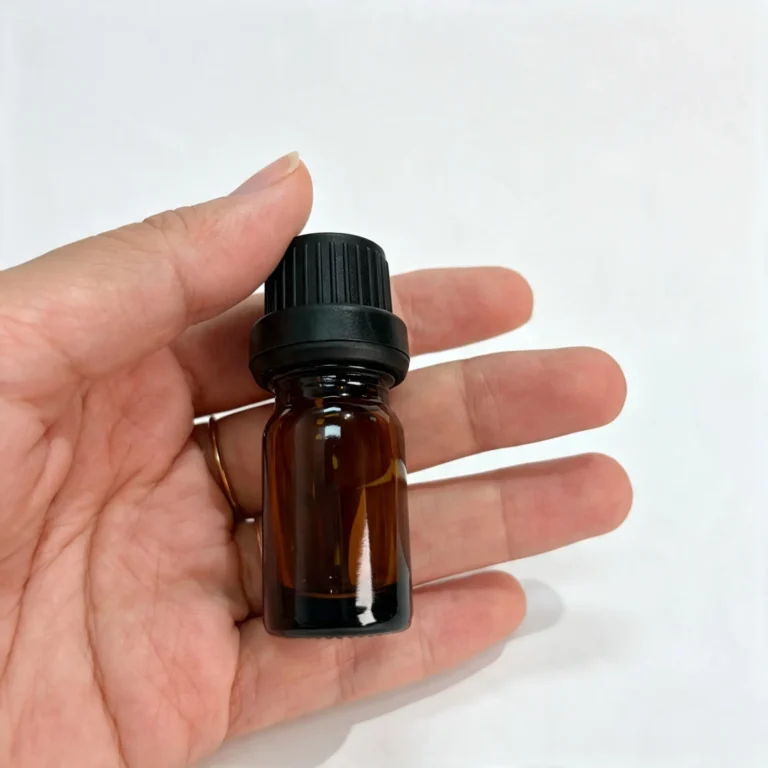
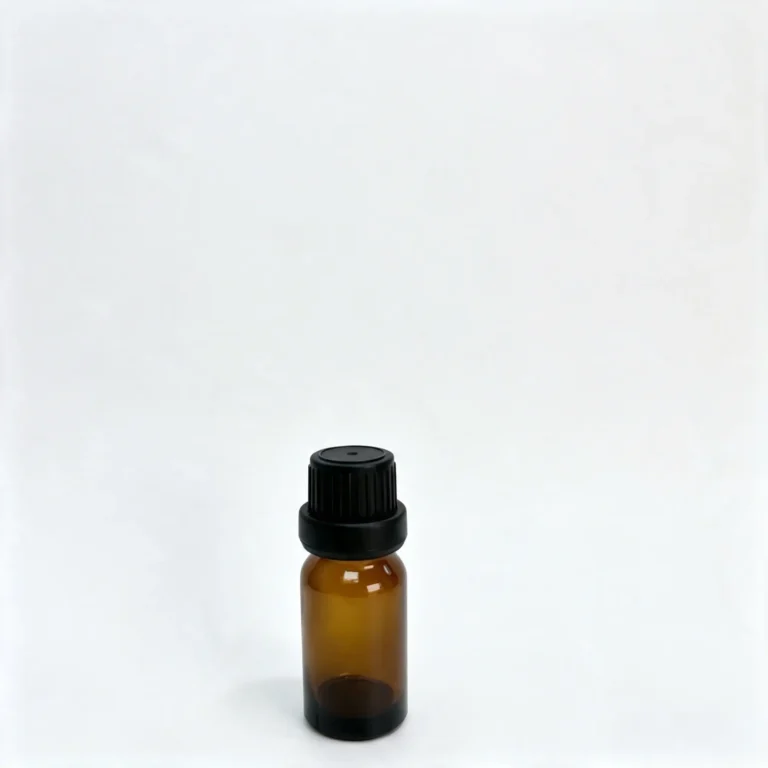
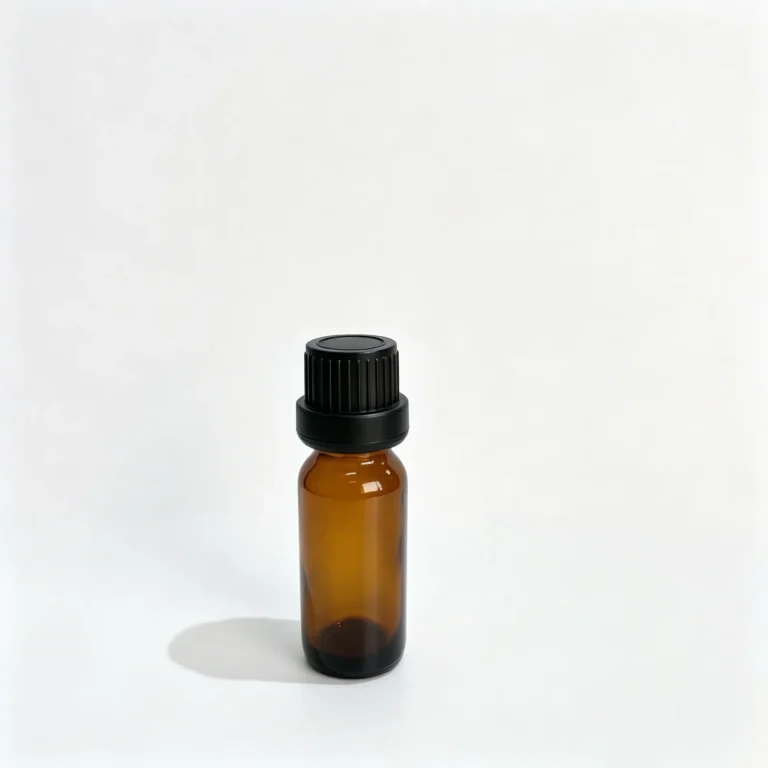
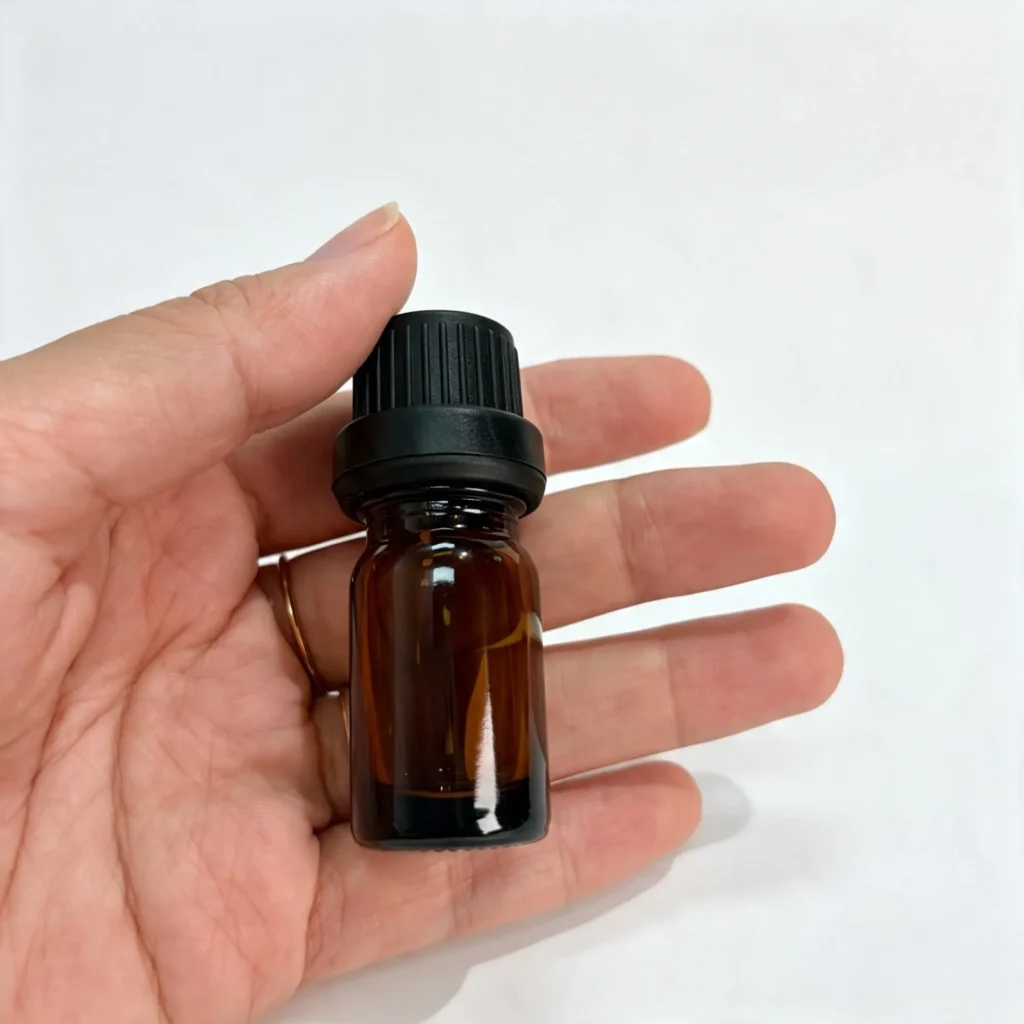
This 5ml Euro dropper essential oil bottle uses a compact cylindrical format with a confirmed capped size of 22 × 22 × 55 mm and a bottle height of 51 mm without the cap. At 24 g, the small format gives packaging teams a practical starting point for developing individual cartons, sample sets, travel-size oil collections, and multi-capacity product ranges.
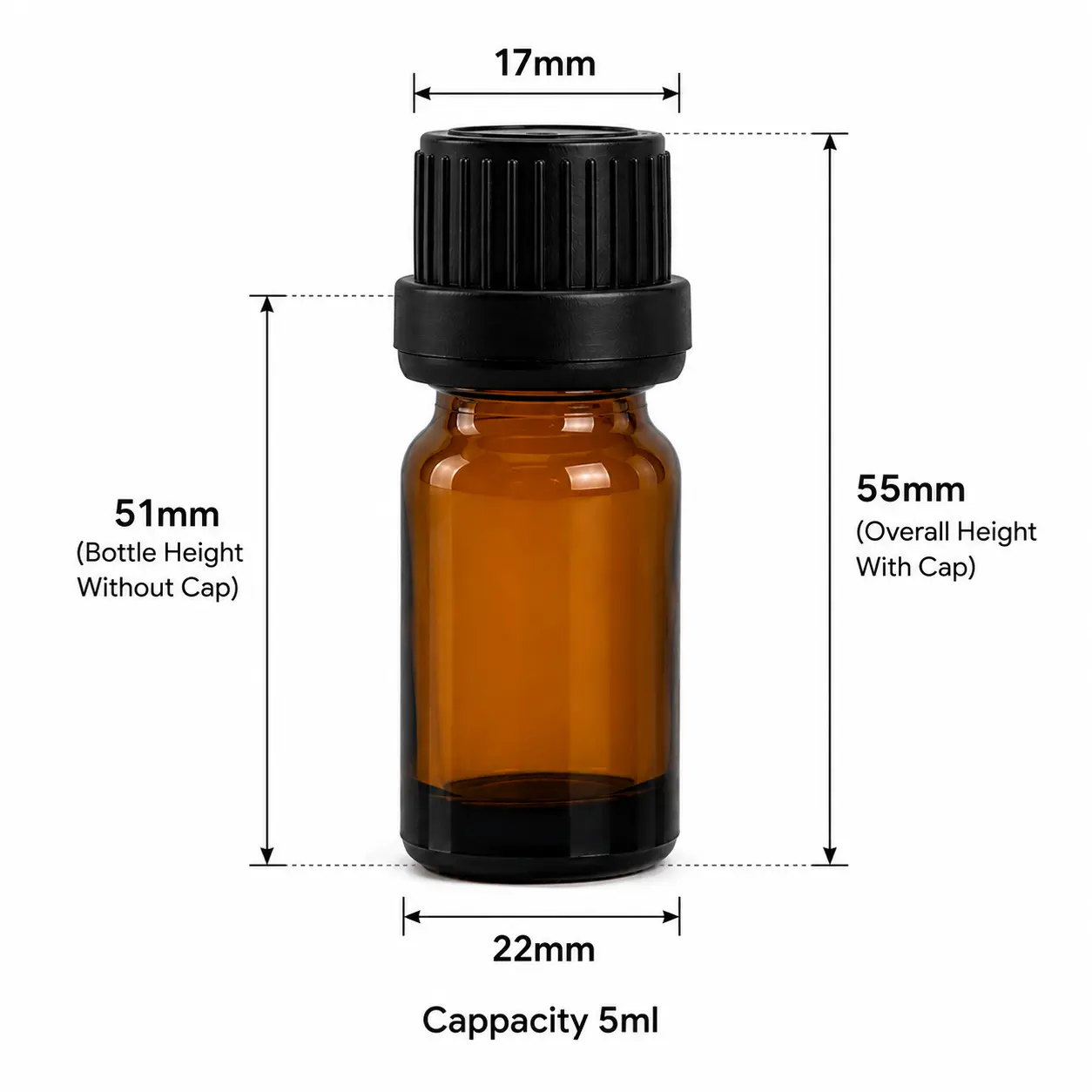
The 22 × 22 mm footprint is particularly useful when buyers are planning compact retail boxes or packaging several bottle capacities within one product family. Final label dimensions, carton cavities, bottle clearances, and filling fixtures should still be developed from the approved drawing and physical component sample rather than the nominal measurements alone.
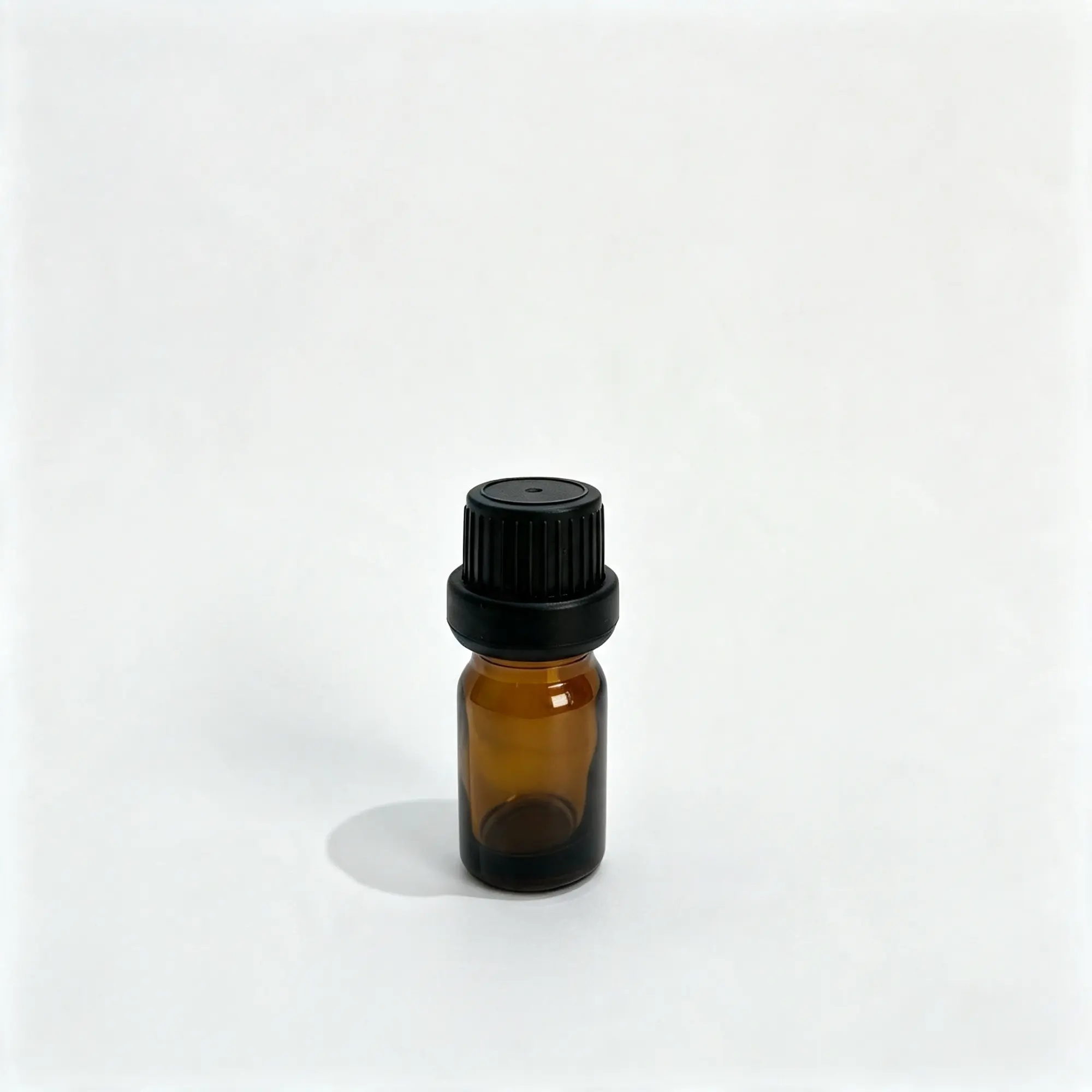
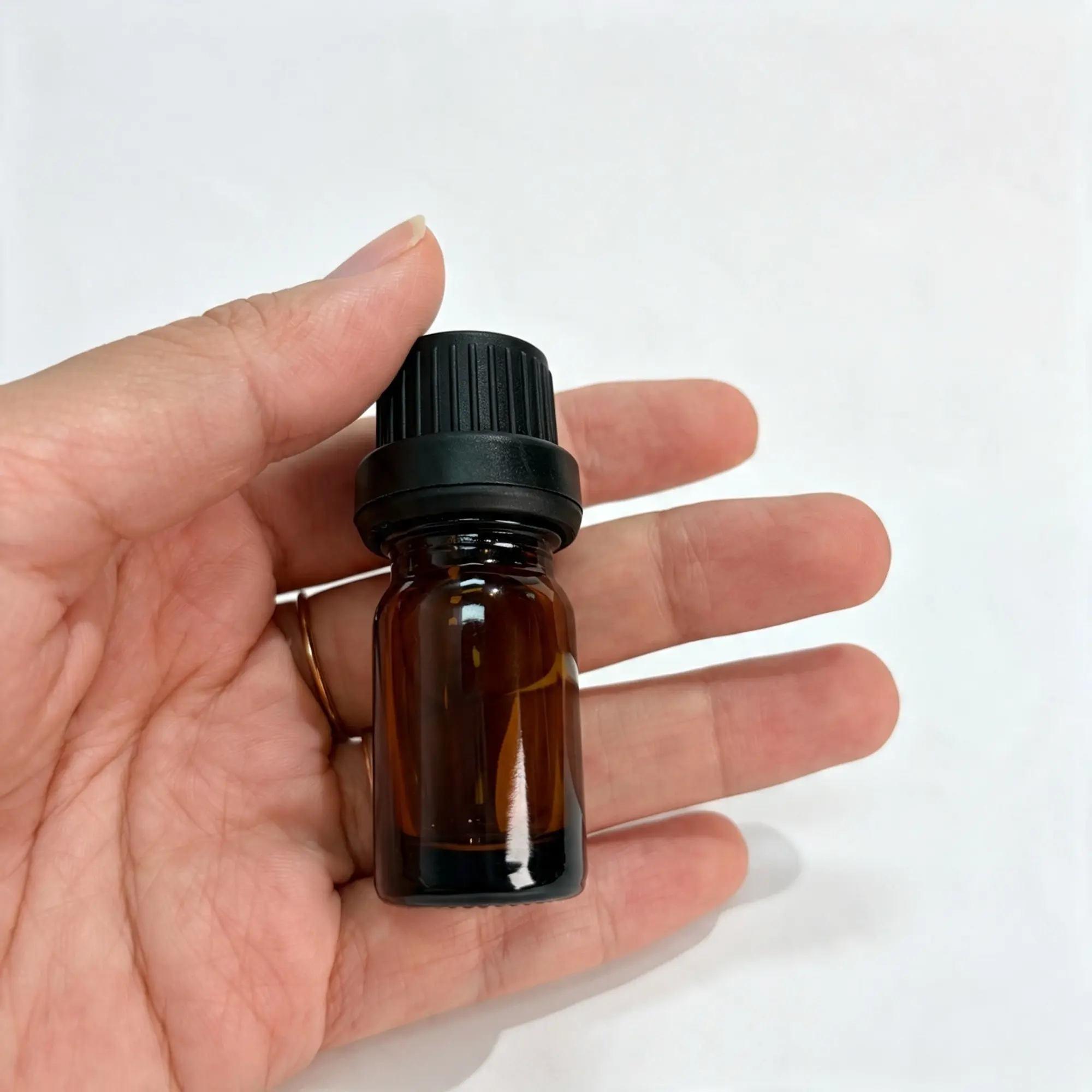
Threaded Neck with Insert and Black Closure Configuration
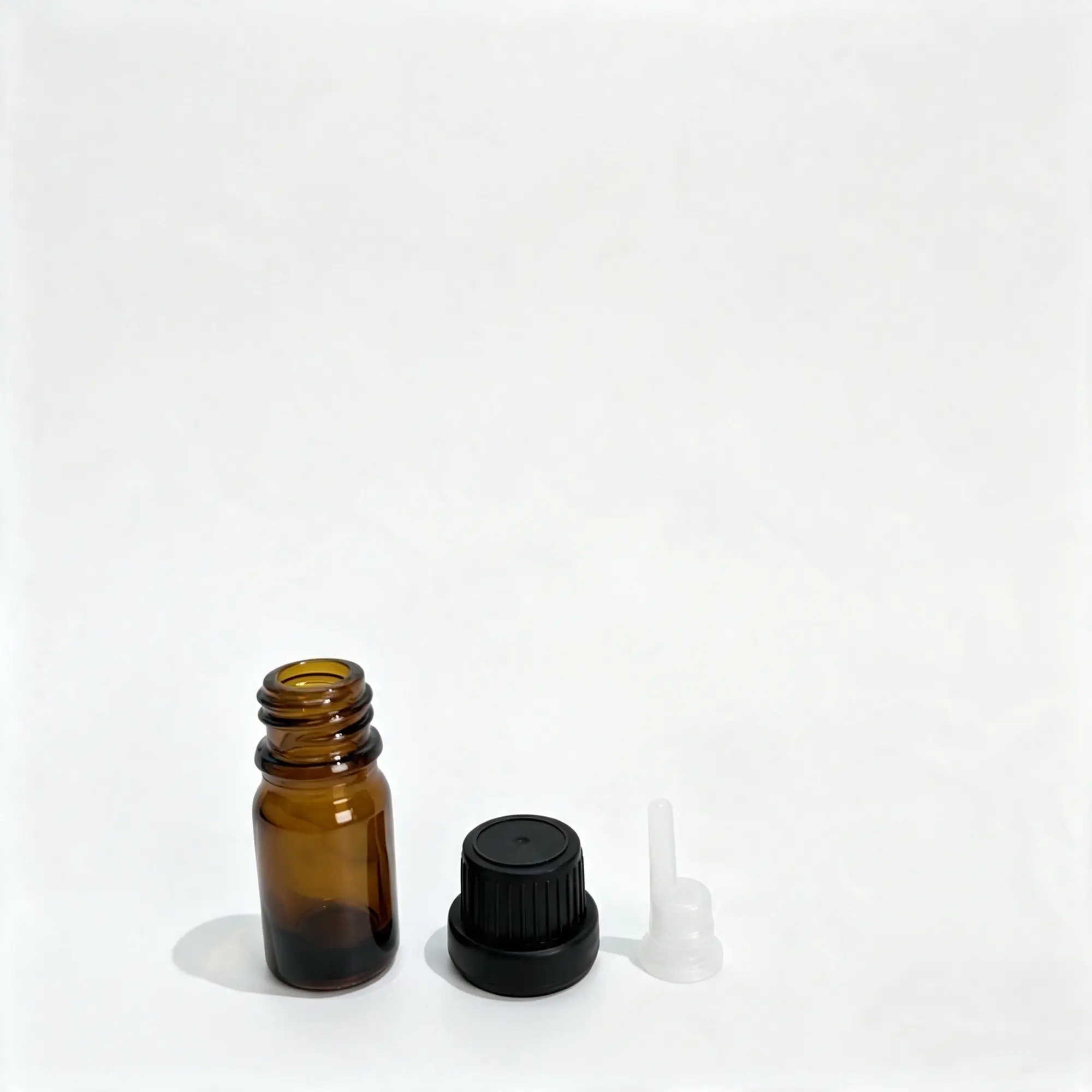
The bottle uses a threaded neck and is offered with confirmed black screw-cap and child-resistant-cap options. The component image also shows an insert used with the bottle-and-cap configuration. For B2B sourcing, these parts should be reviewed as one package because changing the cap or insert can change the assembled dimensions and dispensing experience.
- Threaded neck: Approve the selected closure against the actual bottle neck rather than ordering components by visual similarity.
- Insert: Confirm its exact opening, fit, insertion method, and dispensing behavior with the intended oil during sampling.
- Black screw cap: Keep the selected cap structure consistent between quotation, sample approval, and the final purchasing specification.
- Child-resistant-cap option: Treat this as a separate closure configuration and verify any required finished-package compliance for the intended market.
Logo Decoration for Custom 5ml Essential Oil Bottles
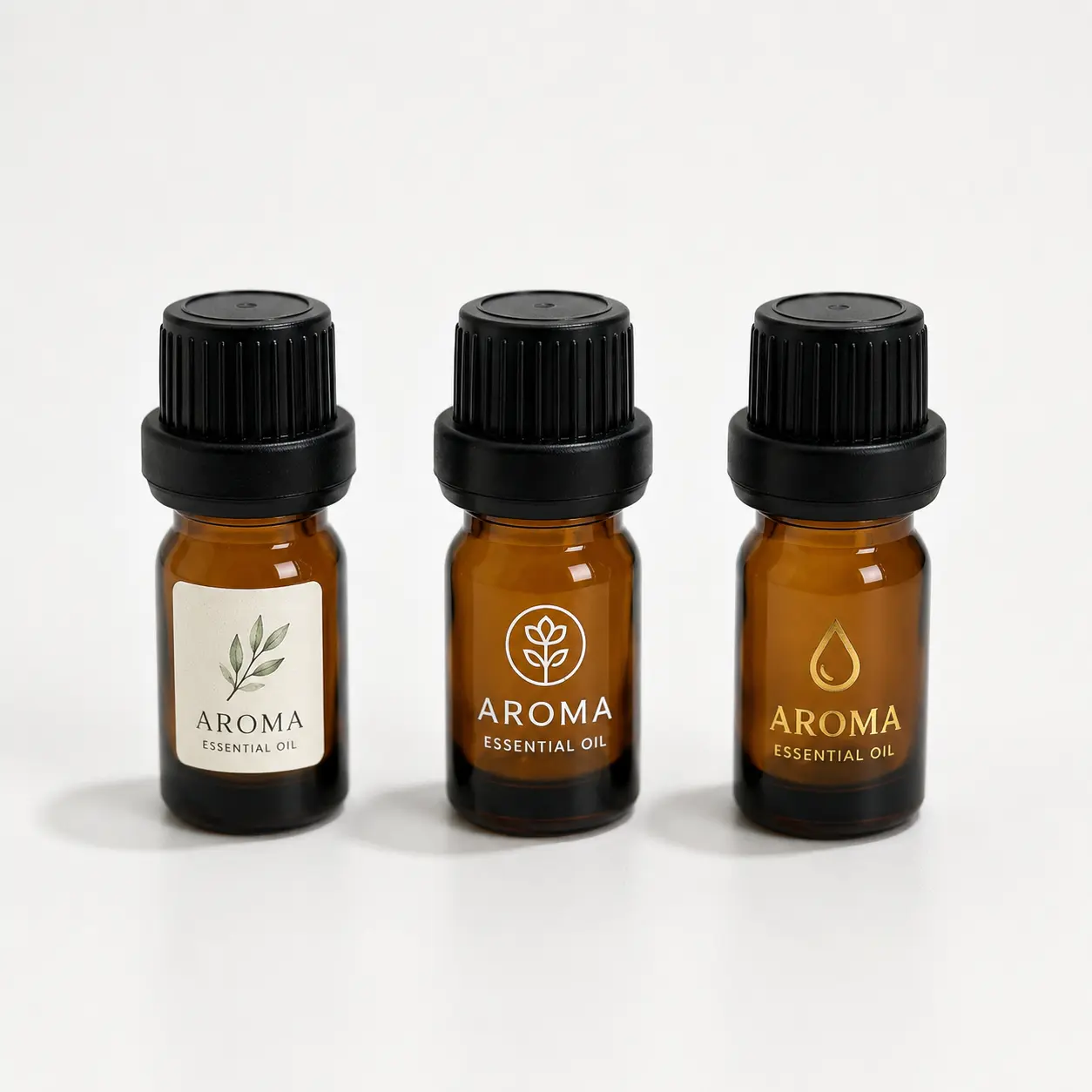
Confirmed customization options include screen printing, spray coating, electroplating, and labeling. Because a 5ml bottle provides a relatively compact branding area, artwork needs to be simplified and scaled for the actual cylindrical surface. Buyers should prioritize logo legibility, product identification, print position, and visual balance rather than attempting to place excessive information on the bottle body.
- Screen printing: Review logo width, line thickness, color count, registration, and text readability on the physical bottle.
- Spray coating: Confirm the target color, opacity, coverage area, and relationship between the coating and other decoration.
- Electroplating: Approve the metallic visual direction on an actual sample, particularly around curved areas and transitions.
- Labeling: Confirm label dimensions, overlap, edge position, text size, and application alignment before production.
When multiple decoration processes are proposed, their sequence and compatibility should be confirmed during sample development. Digital artwork is useful for initial placement, but final color, scale, registration, and surface appearance should be approved from a physical decorated bottle.
5ml Filling Volume and Drop-Dispensing Approval
The stated 5ml capacity identifies the bottle format, but the final commercial net content should be established through the buyer’s filling specification. Required headspace, insert displacement, formula characteristics, visible fill level, and closure configuration can all affect how the completed package appears and functions.
- Target net content: Confirm the commercial filling quantity using the intended product and selected component set.
- Drop behavior: Evaluate dispensing with the actual formula because viscosity, bottle angle, temperature, insert geometry, and fill level can affect flow.
- Visible fill line: Review the appearance after the insert and selected cap are installed.
- Application imagery: Treat usage scenes as packaging presentation references rather than evidence of a fixed dosage or product performance.

Wholesale Custom Production with a 500-Piece MOQ
The confirmed MOQ is 500 pieces. For wholesale custom packaging projects, the available scope includes the 5ml bottle, selected black closure configuration, insert, and confirmed decoration processes such as screen printing, spray coating, electroplating, and labeling. Buyers should provide quantity, destination, cap selection, artwork, decoration method, filling application, and secondary packaging requirements when requesting pricing.
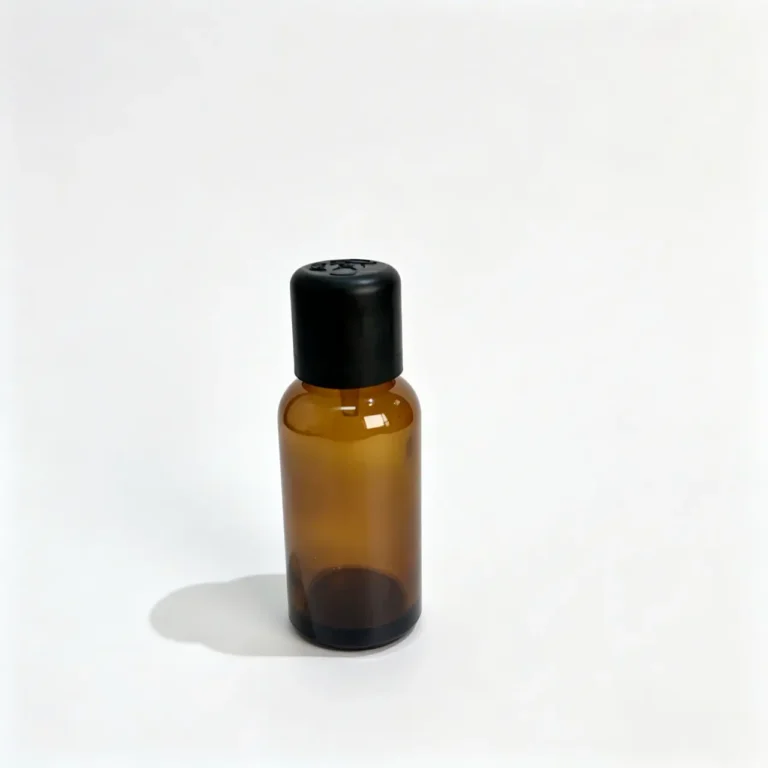
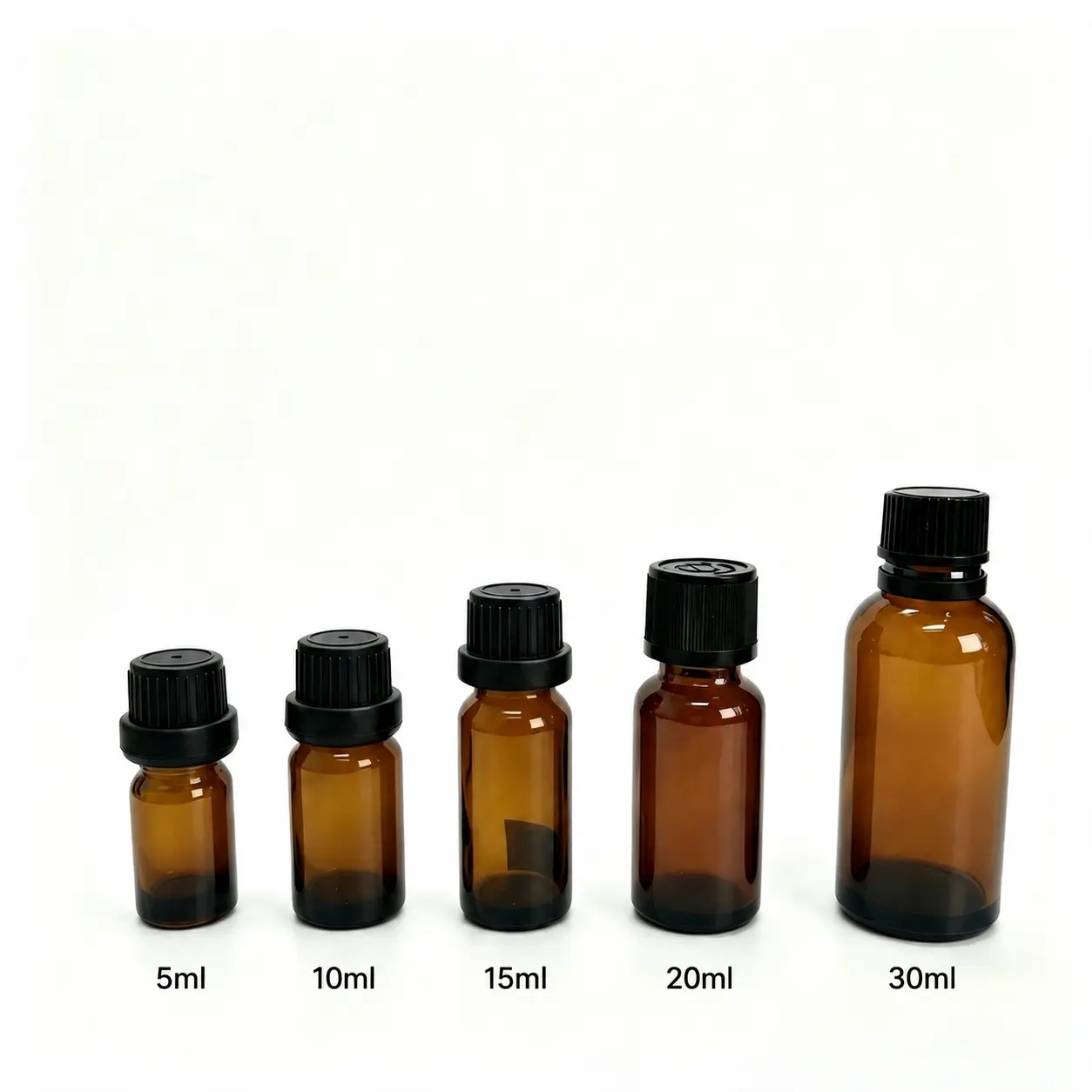
For brands building several essential oil sizes, the capacity comparison image can also support early range planning. Different capacities should still be specified independently because bottle dimensions, components, artwork proportions, and carton layouts may vary between sizes.
Before production approval, keep the confirmed drawing, closure and insert selection, decorated sample, filling assumptions, and packaging requirements linked to the same purchase specification. This gives procurement, artwork, filling, and packaging teams one consistent reference for the final wholesale configuration.