50g Glass Cosmetic Jar with Compact Wide-Opening Profile
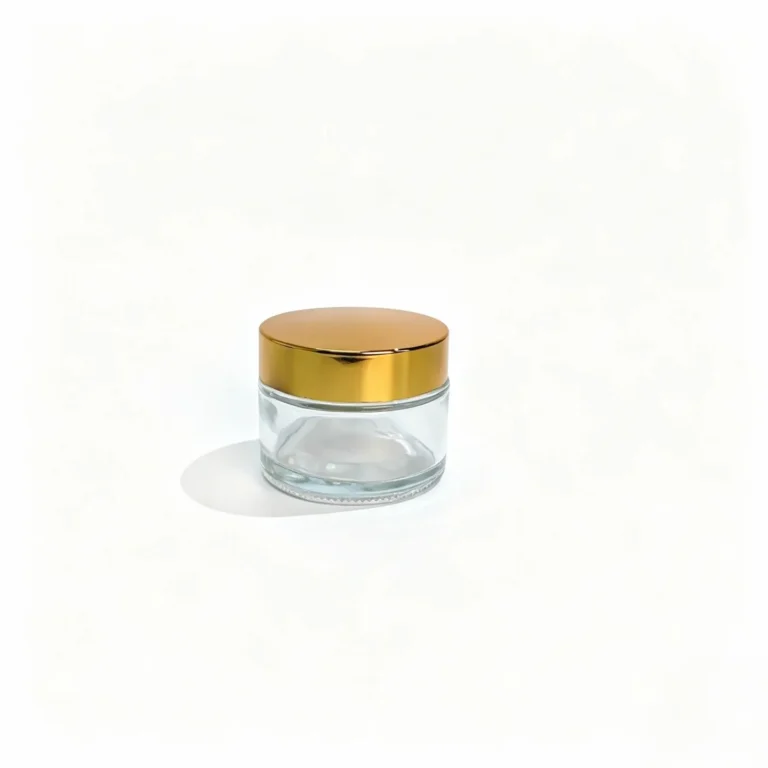
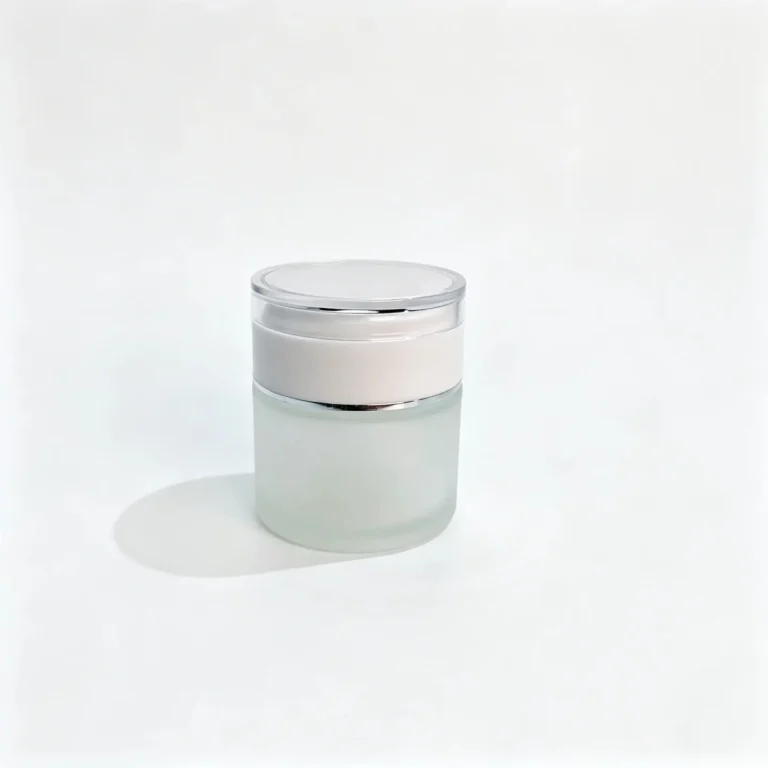
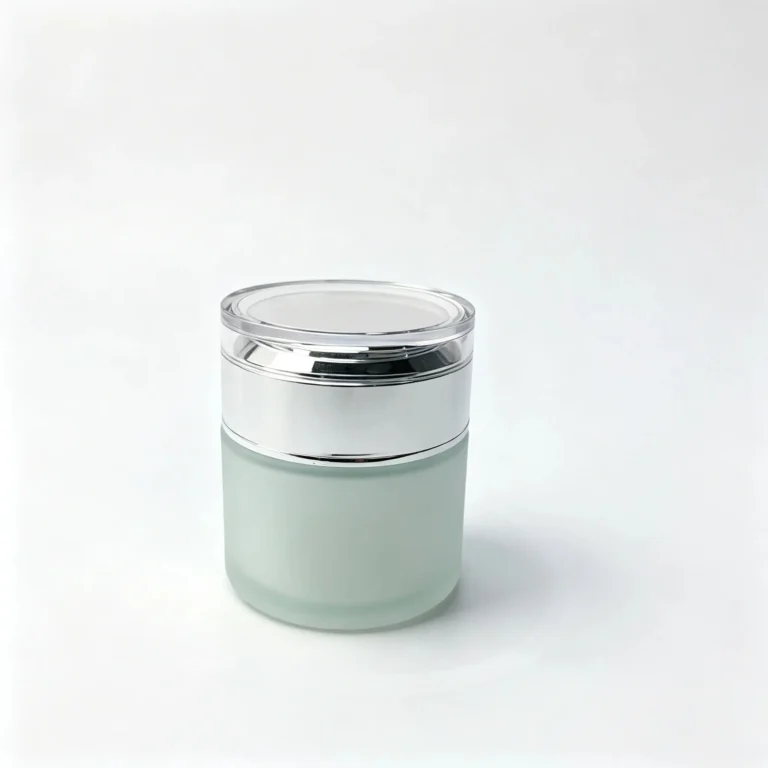
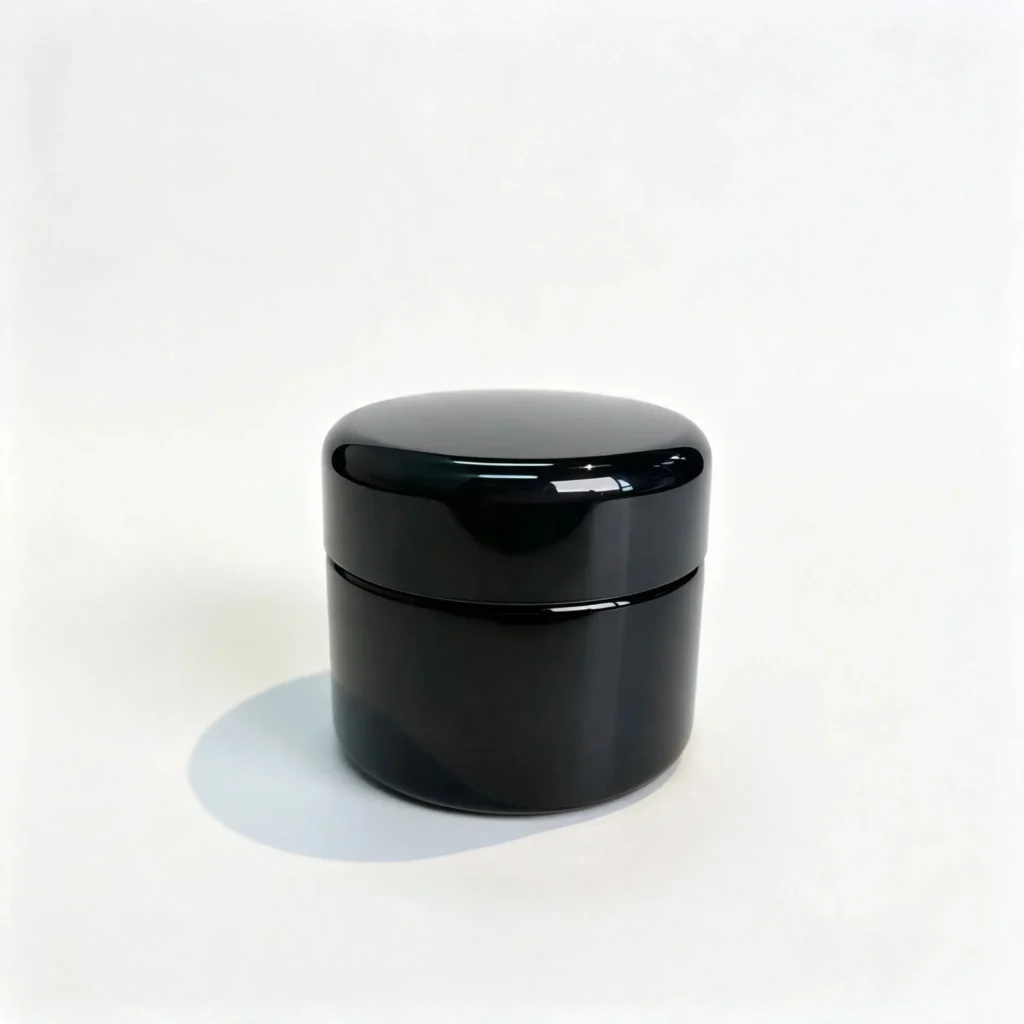
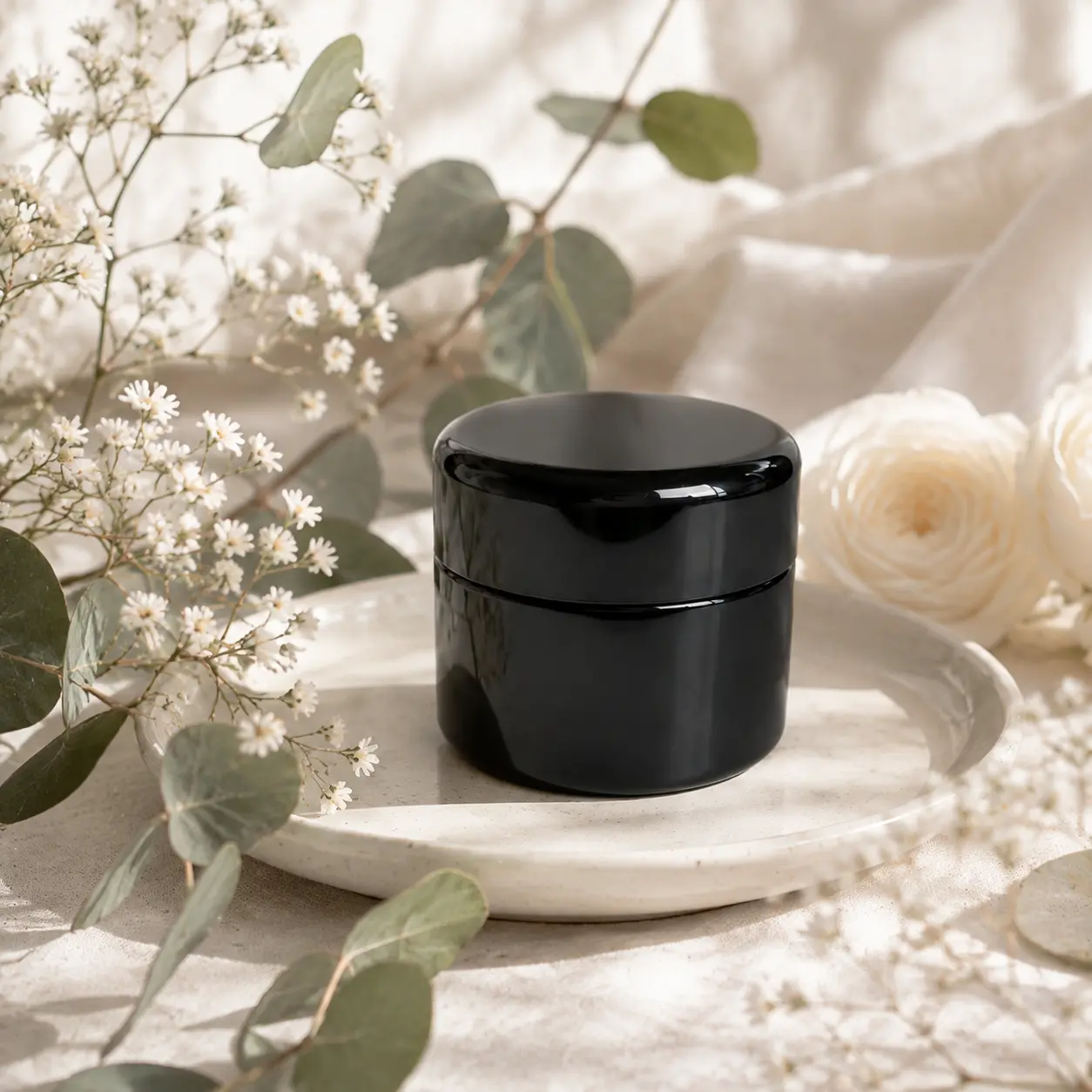
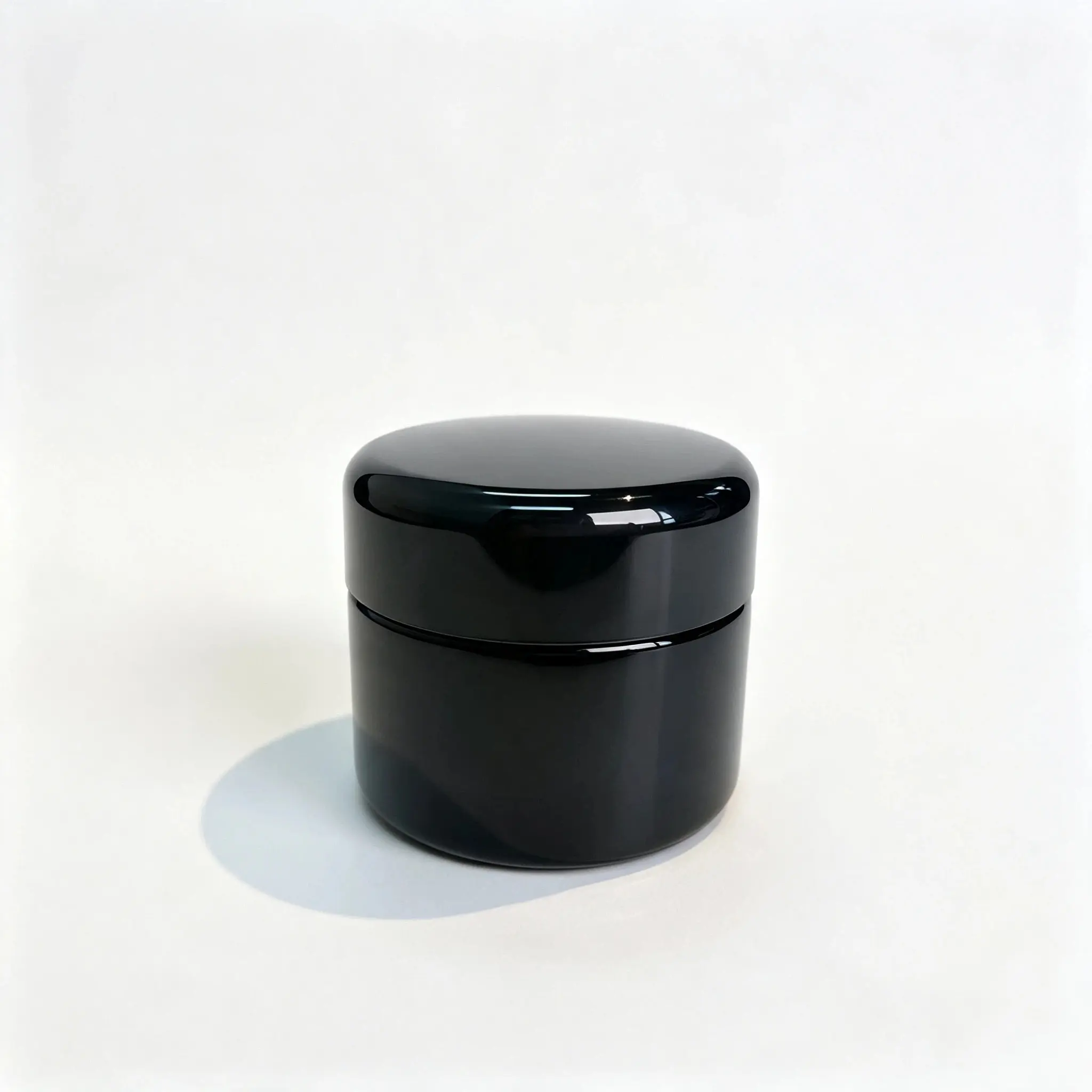
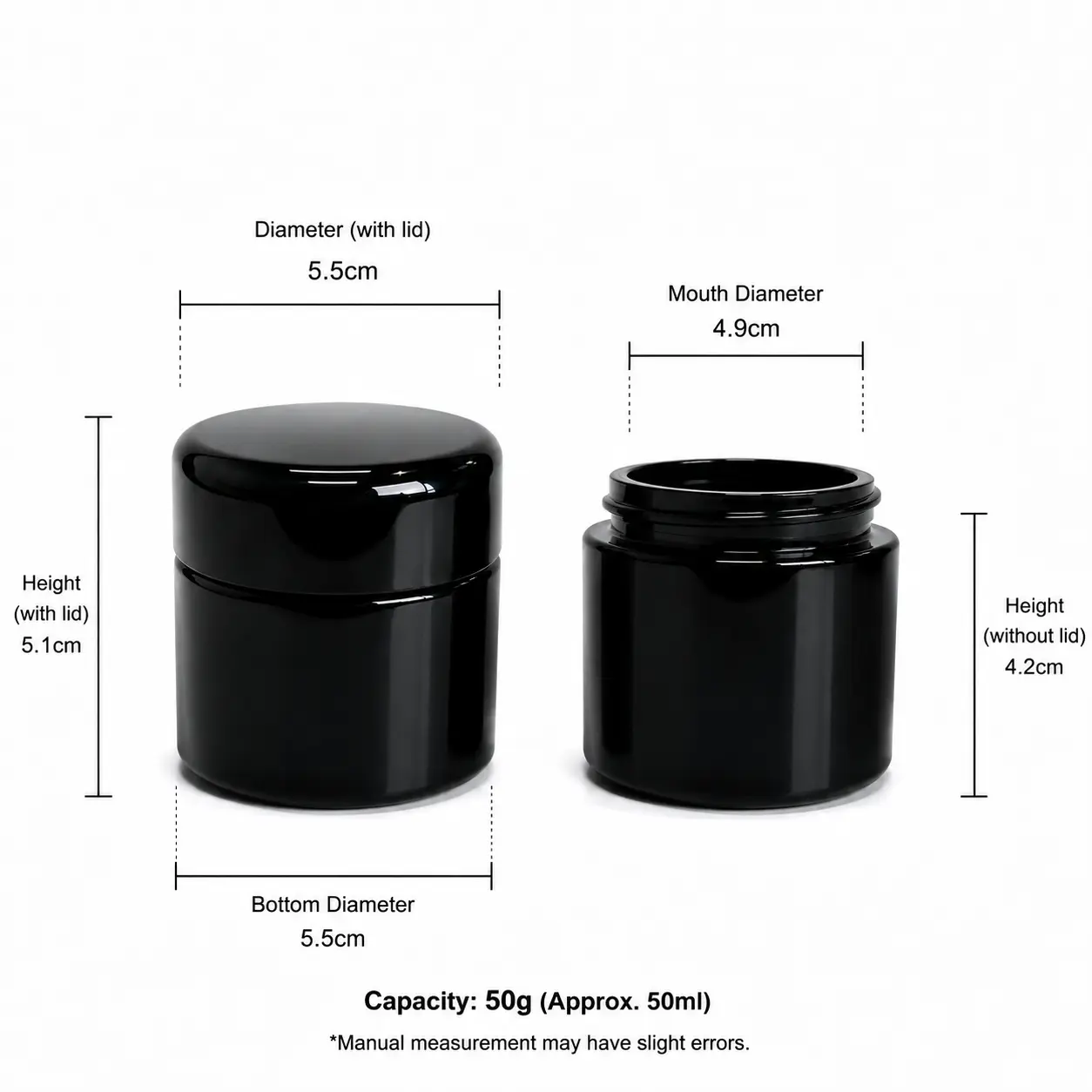
This 50g glass cosmetic jar uses a compact body with a 55 mm bottom diameter, a 49 mm opening diameter, and an overall height of 51 mm with the cap installed. The relatively wide opening compared with the jar body gives packaging designers a practical format for skincare and cosmetic products where convenient filling, product access, and a stable shelf presentation are important considerations.
The jar weighs approximately 60 g and has a bottle height of 42 mm without the cap. Its low-profile proportions create a broad visual area around the body for branding while keeping the finished package compact. For buyers sourcing glass cosmetic jars or developing a 50g cosmetic jar line, these dimensions are especially useful when evaluating secondary cartons, inner trays, display arrangements, and overall packaging proportions before final production.
49 mm Opening and Cap Compatibility for Packaging Development
The jar has a confirmed 49 mm opening diameter, but the exact thread specification and final closure interface still require confirmation before production. This distinction matters because the opening diameter alone is not enough to determine cap compatibility. Buyers should confirm the thread profile, cap dimensions, closure structure, and selected finished sample as one complete packaging system.
- 49 mm opening diameter: Useful for initial package engineering and filling-line evaluation, while the exact screw-thread specification should remain subject to final confirmation.
- 42 mm jar height without cap: Provides a useful reference when comparing different cap heights or developing a secondary carton around the bare glass container.
- 51 mm assembled height: Represents the confirmed overall dimension with the currently specified cap configuration and should be used for preliminary packing-space calculations.
- Closure selection: Cap style, color, surface finish, and compatibility should be finalized through approved samples rather than inferred only from the opening diameter.
Decoration Options for Custom Glass Skincare Packaging
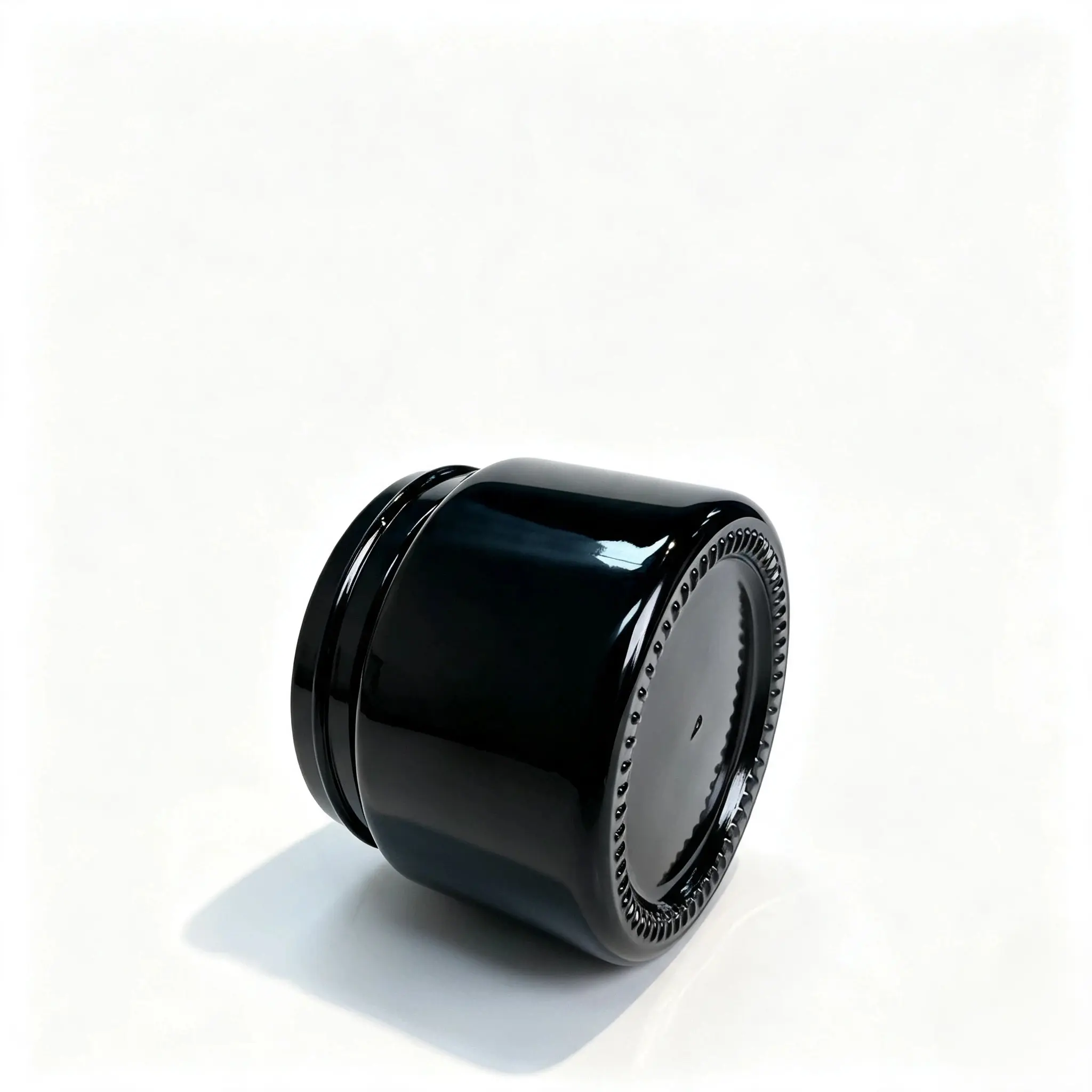
The glass body can be developed with several confirmed decoration processes, including silk-screen printing, spray coating, electroplating, and decals. These processes give skincare brands different ways to build a coordinated visual system without changing the basic jar dimensions. The appropriate decoration method should be selected according to artwork complexity, desired surface coverage, brand colors, and the appearance required from the finished packaging.
- Silk-screen printing: Suitable for placing logos, product names, and relatively simple graphics directly onto the glass surface.
- Spray coating: Can change the overall visual appearance of the glass body and is useful when a project requires a more controlled body color or surface presentation.
- Electroplating: Can be considered when a metallic decorative appearance is required for selected packaging concepts.
- Decal application: Offers another route for decorative artwork when the design requires a different visual treatment from direct screen printing.
Decoration should be approved on the actual 50g jar whenever possible. Screen layout, printable area, color appearance, artwork position, and the interaction between the selected finish and the glass body can all affect the final result. A physical decoration sample provides a more reliable basis for approval than artwork files alone.
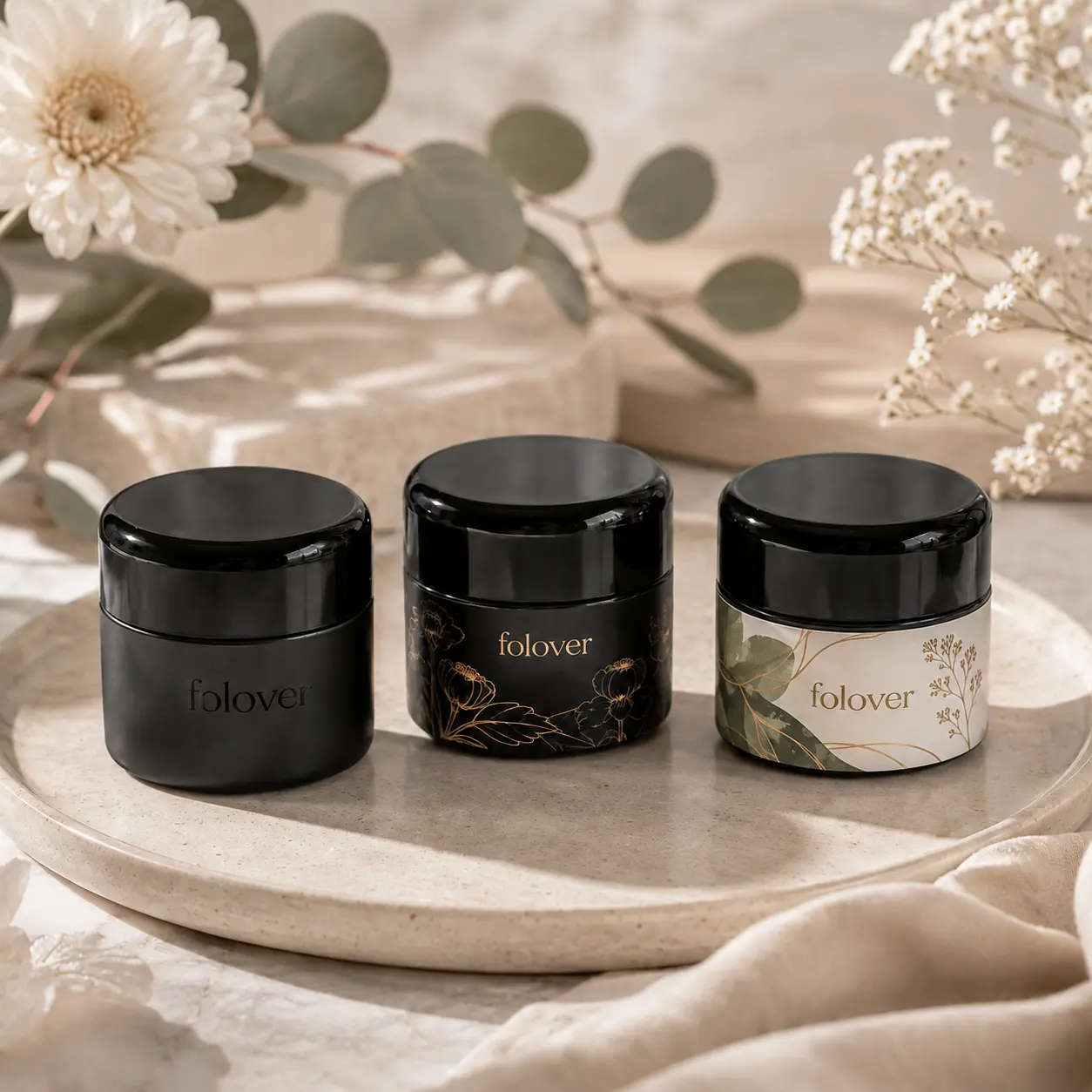
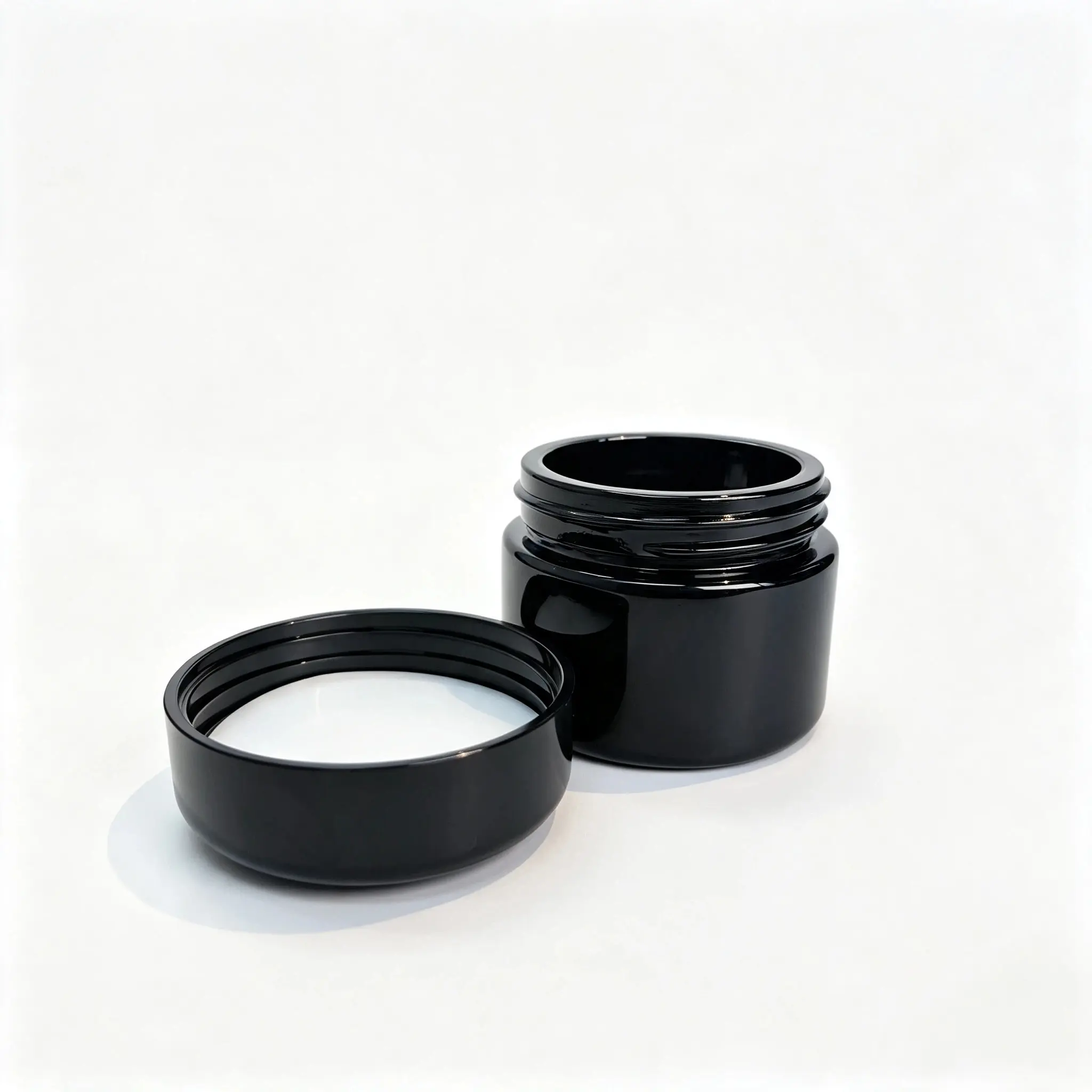
Wholesale Customization for 50g Cosmetic Jar Projects
For B2B buyers developing custom glass skincare packaging, this 50g cosmetic jar supports an MOQ of 100 pieces based on the confirmed project data. Development can combine the glass jar with the selected cap configuration and one or more approved decoration processes, allowing brands, OEM customers, and packaging buyers to evaluate customized packaging without changing the core container format.
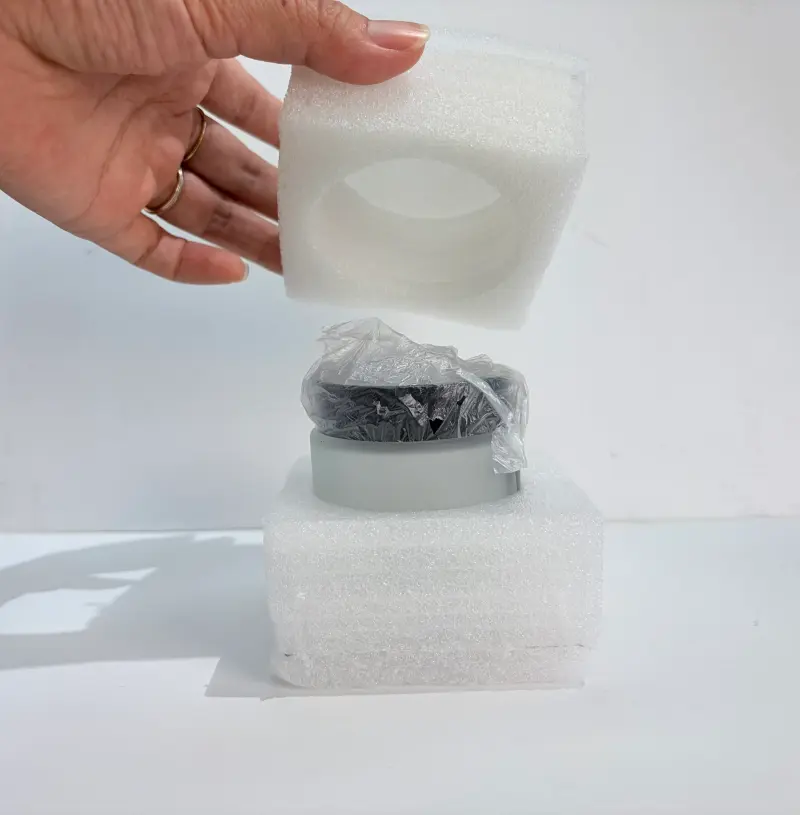
Before moving from sampling to a larger wholesale order, buyers should lock the glass dimensions, closure configuration, cap appearance, decoration artwork, color reference, and final packaging arrangement. This approach is particularly useful when the same cosmetic cream jar will later be integrated into cartons, gift sets, ecommerce packaging, or a broader skincare range. Confirming these elements together helps reduce later changes between the container, closure, artwork, and secondary packaging.
Key Approval Points Before Ordering This 50g Glass Jar
A successful packaging project should treat the jar, cap, decoration, and secondary packaging as one coordinated system. Because the exact thread specification has not yet been confirmed, the final closure should be approved against the actual jar rather than selected only by nominal opening size.
- Confirm the closure interface: Verify the actual thread specification and matching cap before approving the final component combination.
- Confirm the intended fill: The stated 50g capacity should be evaluated with the buyer’s actual formula because product weight and required fill volume depend on formula density and target net content.
- Approve decoration samples: Review the selected silk-screen printing, coating, electroplating, or decal effect on the actual glass surface before mass production.
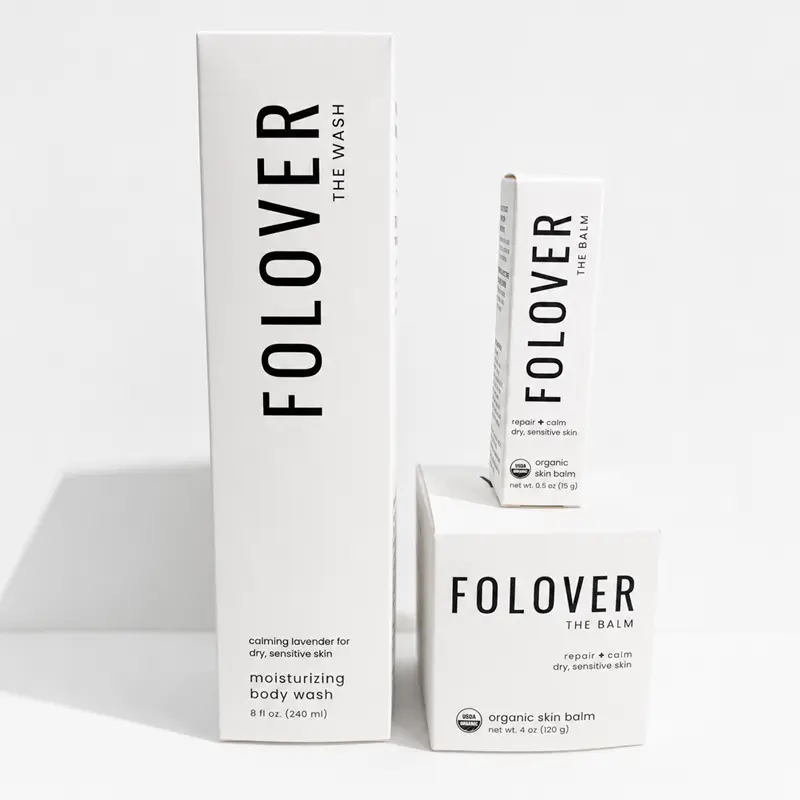
- Check secondary packaging dimensions: Use the confirmed 55 mm bottom diameter and 51 mm assembled height as preliminary references, then finalize cartons or inserts against approved production drawings and samples.
- Approve the complete presentation: Review jar body, cap, decoration, and packaging together so the final glass skincare packaging system remains visually and dimensionally coordinated.
The exact screw-thread specification remains subject to confirmation. Cap compatibility and final decoration should be approved using the selected physical sample and confirmed production information.