30ml Serum Dropper Bottle Profile for Skincare and Essential Oil Packaging
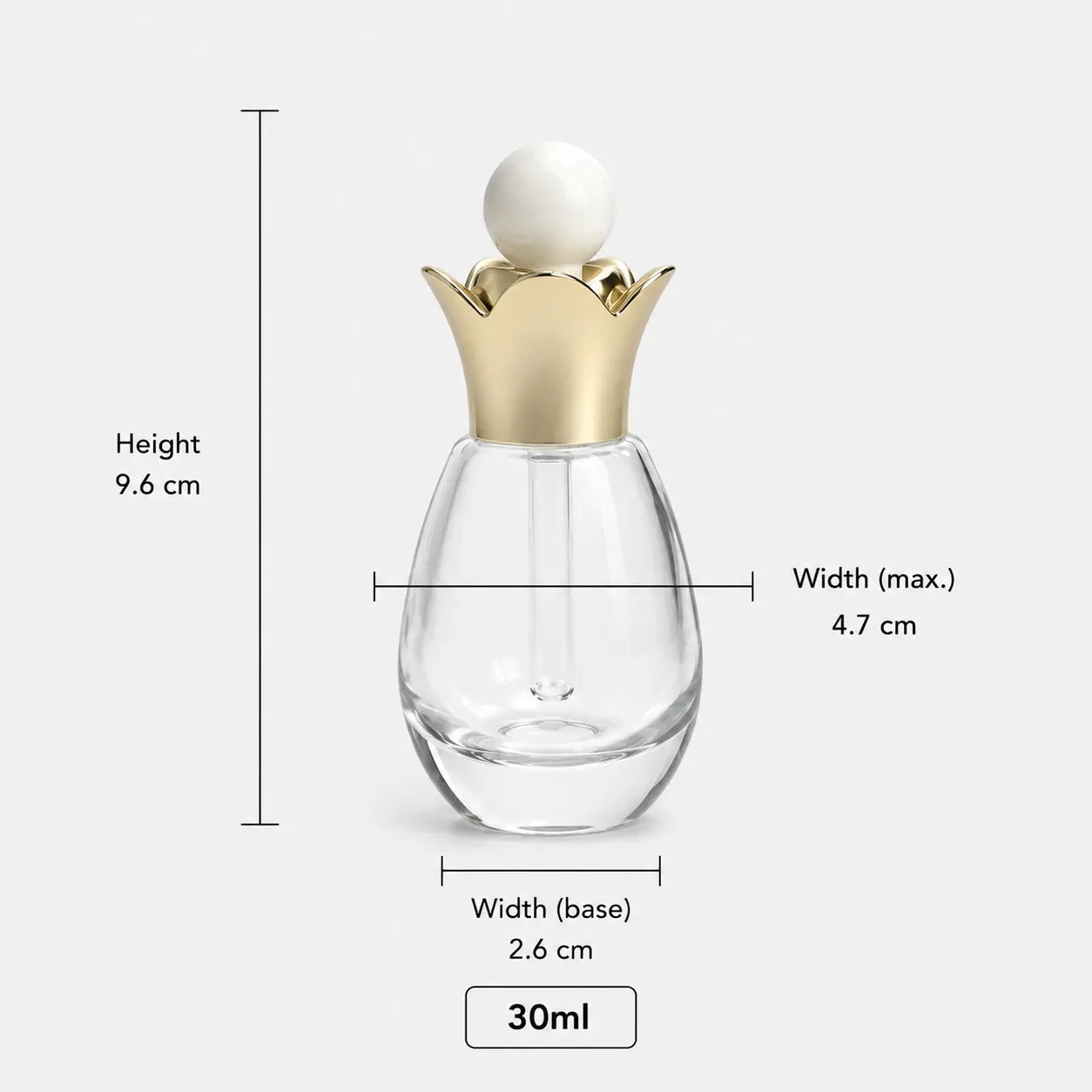
The 30ml format combines a compact rectangular footprint with a tall fitted dropper assembly, creating a packaging profile suited to skincare serums, facial oils, and essential-oil-oriented product lines. The confirmed overall size is 26 × 47 × 96 mm with the closure fitted, while the bottle height without the cap is 72 mm. At 90 g per unit, the package gives buyers a useful physical reference when planning presentation sets, cartons, and sampling programs. Material and final neck specification still require confirmation before technical approval.
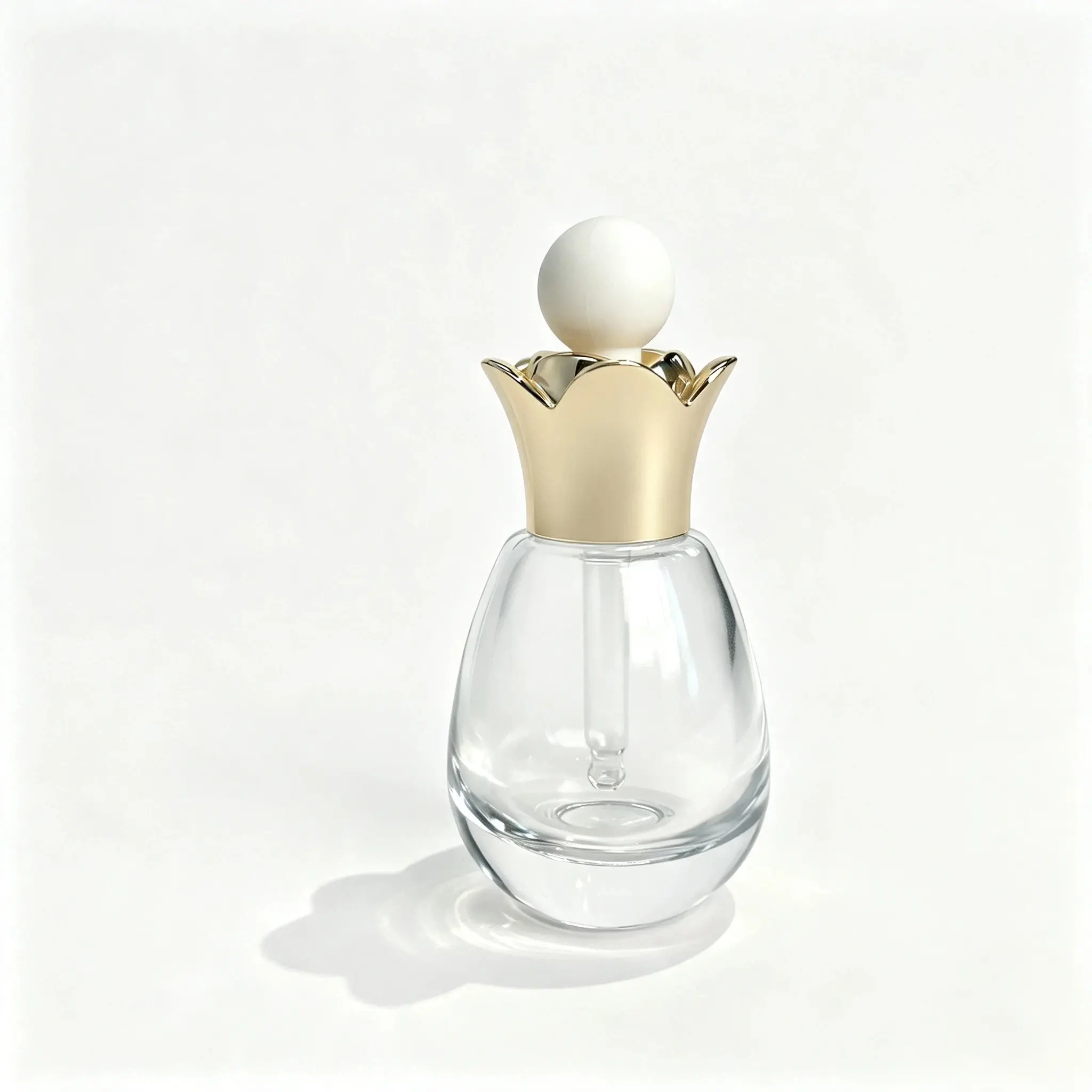
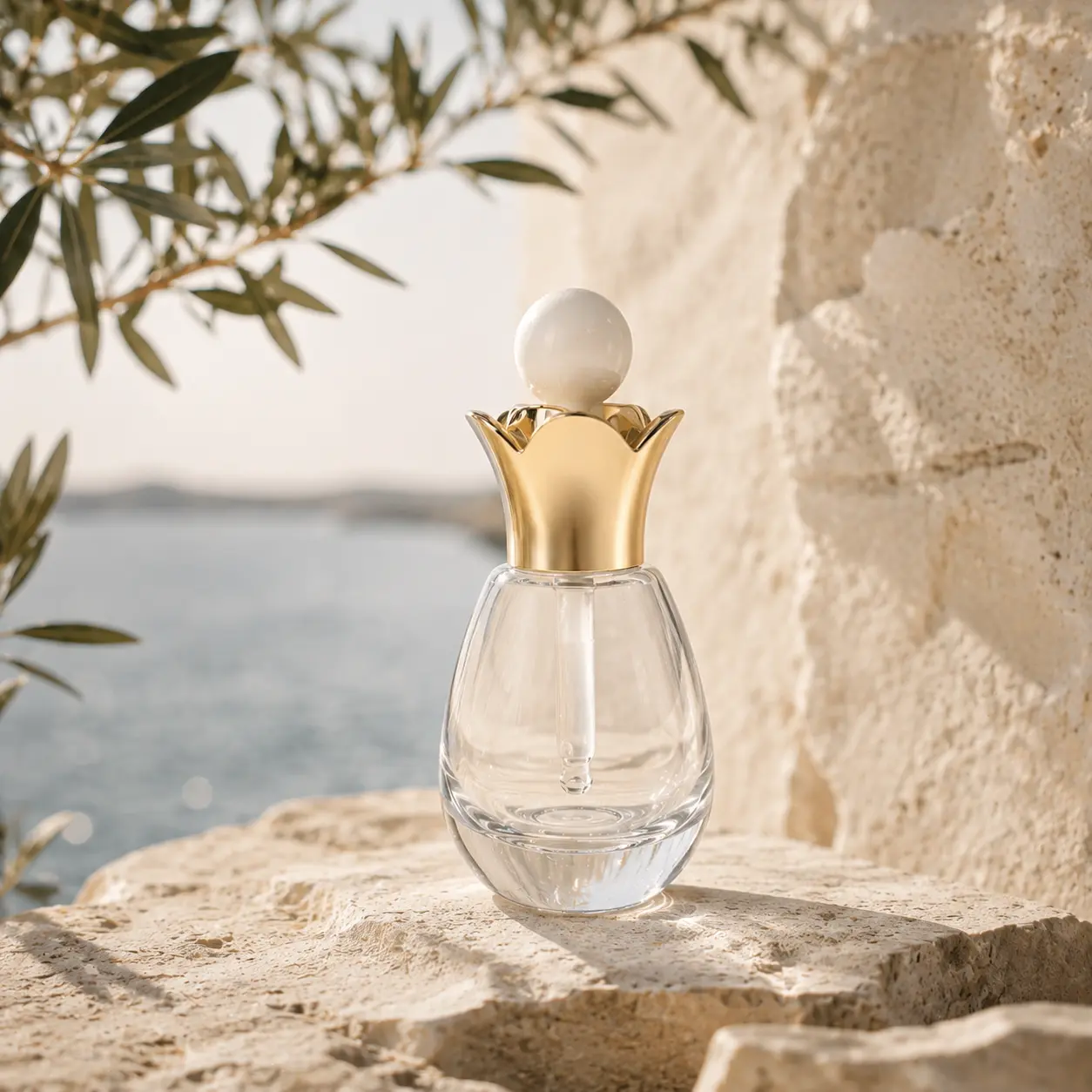
- Package format: The 30ml size supports retail-style serum and oil presentations without requiring a large secondary package.
- Front presentation: The narrow 26 mm width and 47 mm depth create a distinct front-facing silhouette for artwork and shelf presentation.
- Closure relationship: The bottle and dropper should be evaluated together because final fit depends on the confirmed neck specification and selected closure assembly.
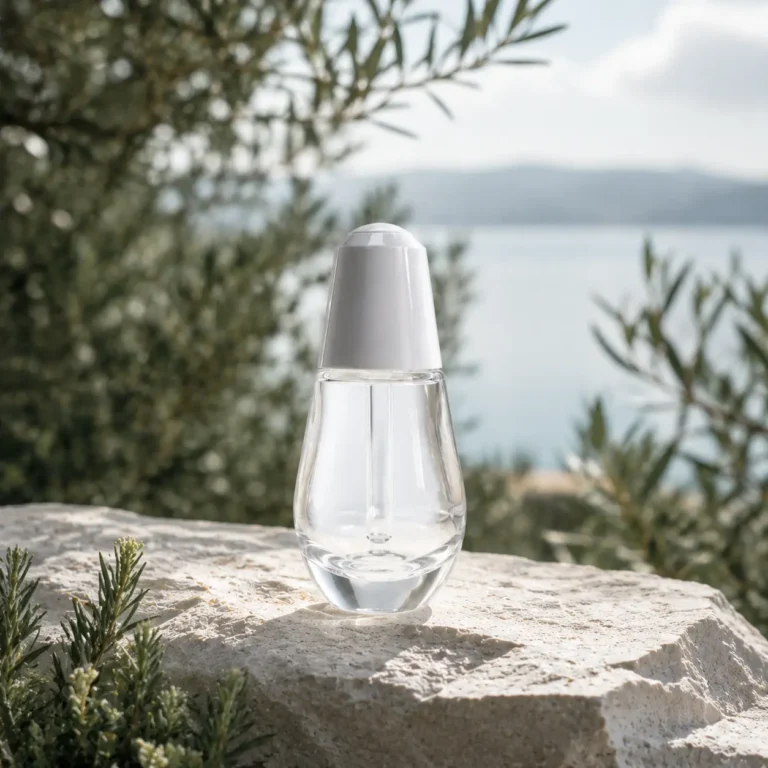
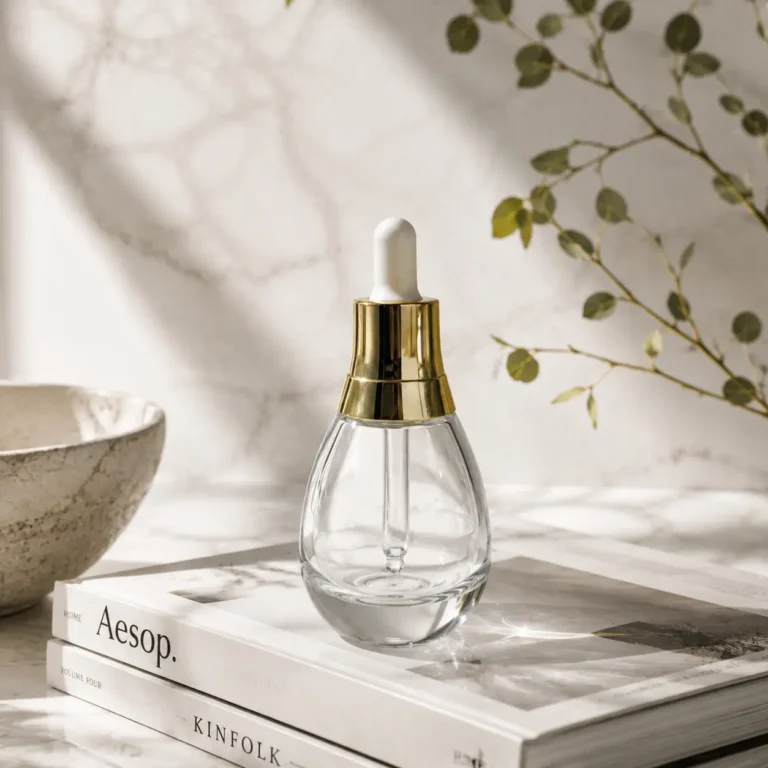
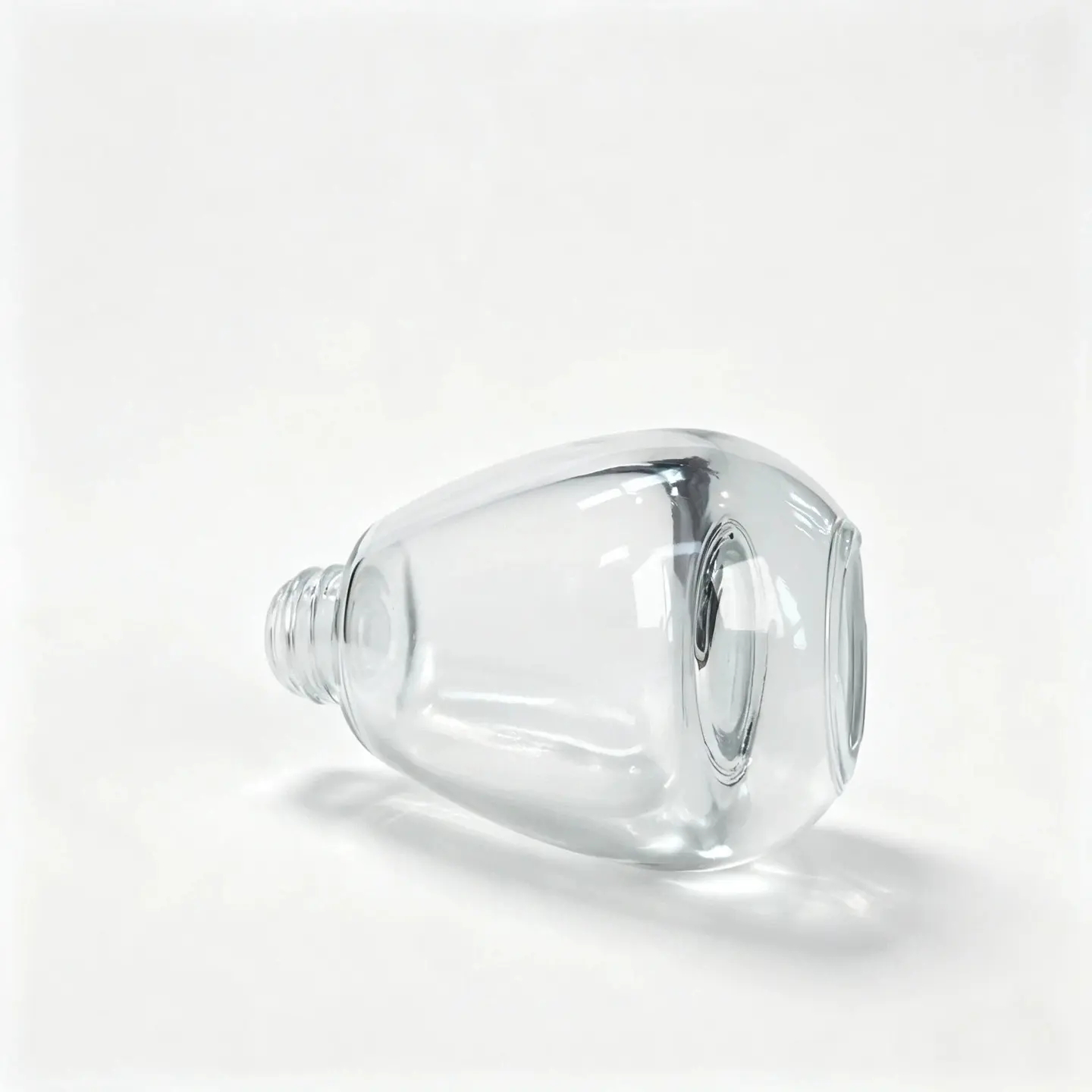
The top and side views are also useful during early packaging layout because this is not a simple round bottle footprint. Buyers designing presentation trays or cartons should work from the actual width and depth rather than assuming a single diameter. The front scene can guide visual merchandising, while the side profile is more relevant when evaluating carton orientation and the space needed around the fitted dropper.
Dropper Assembly, Bottle Neck and Component Matching
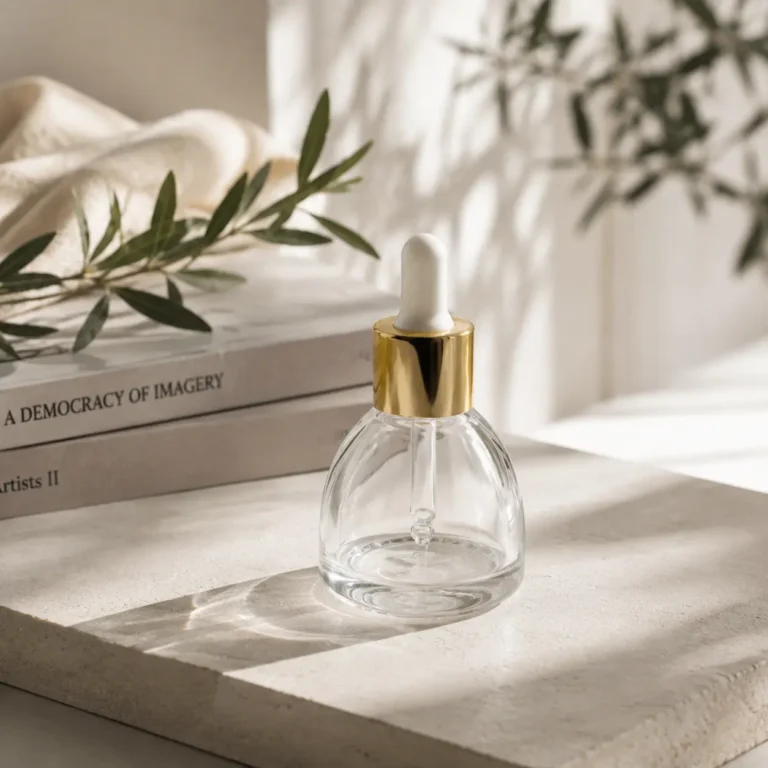
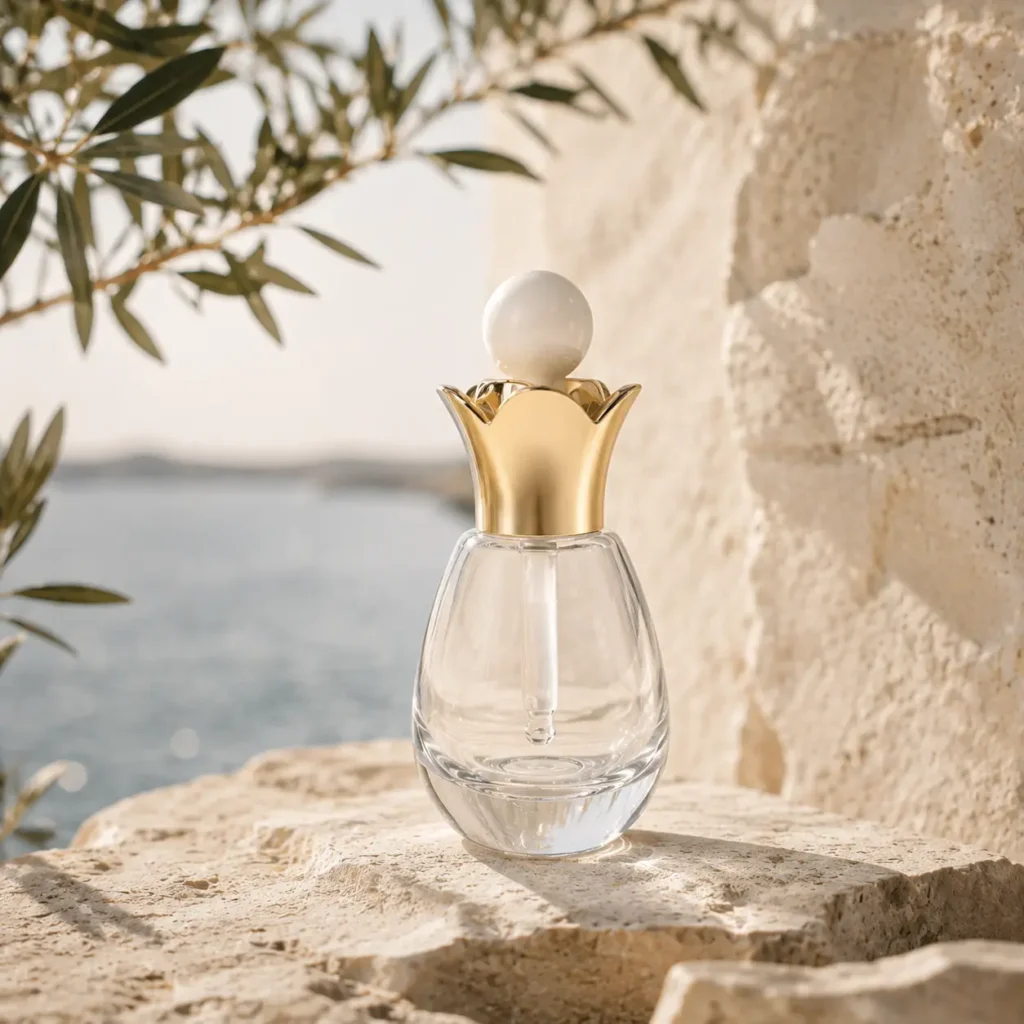
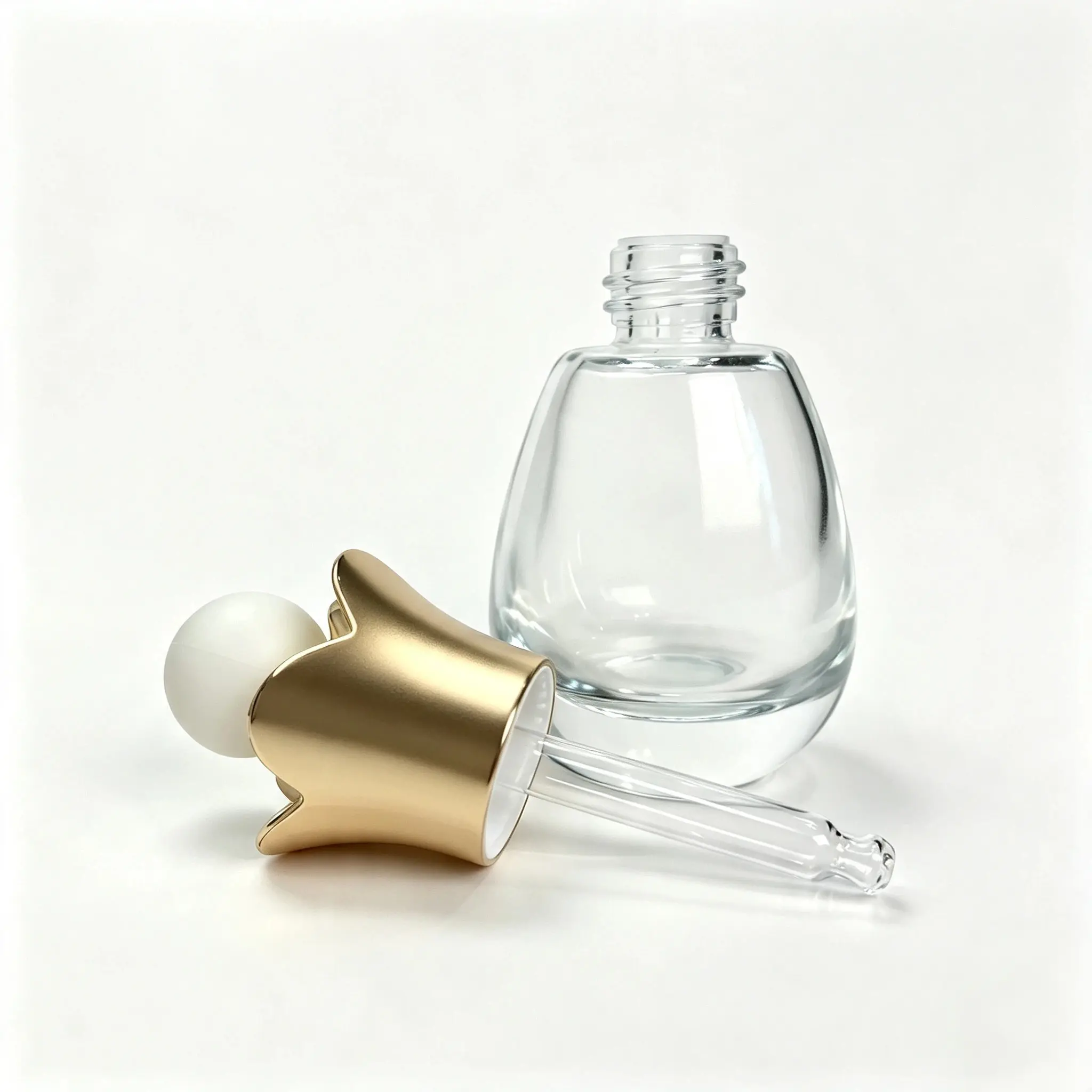
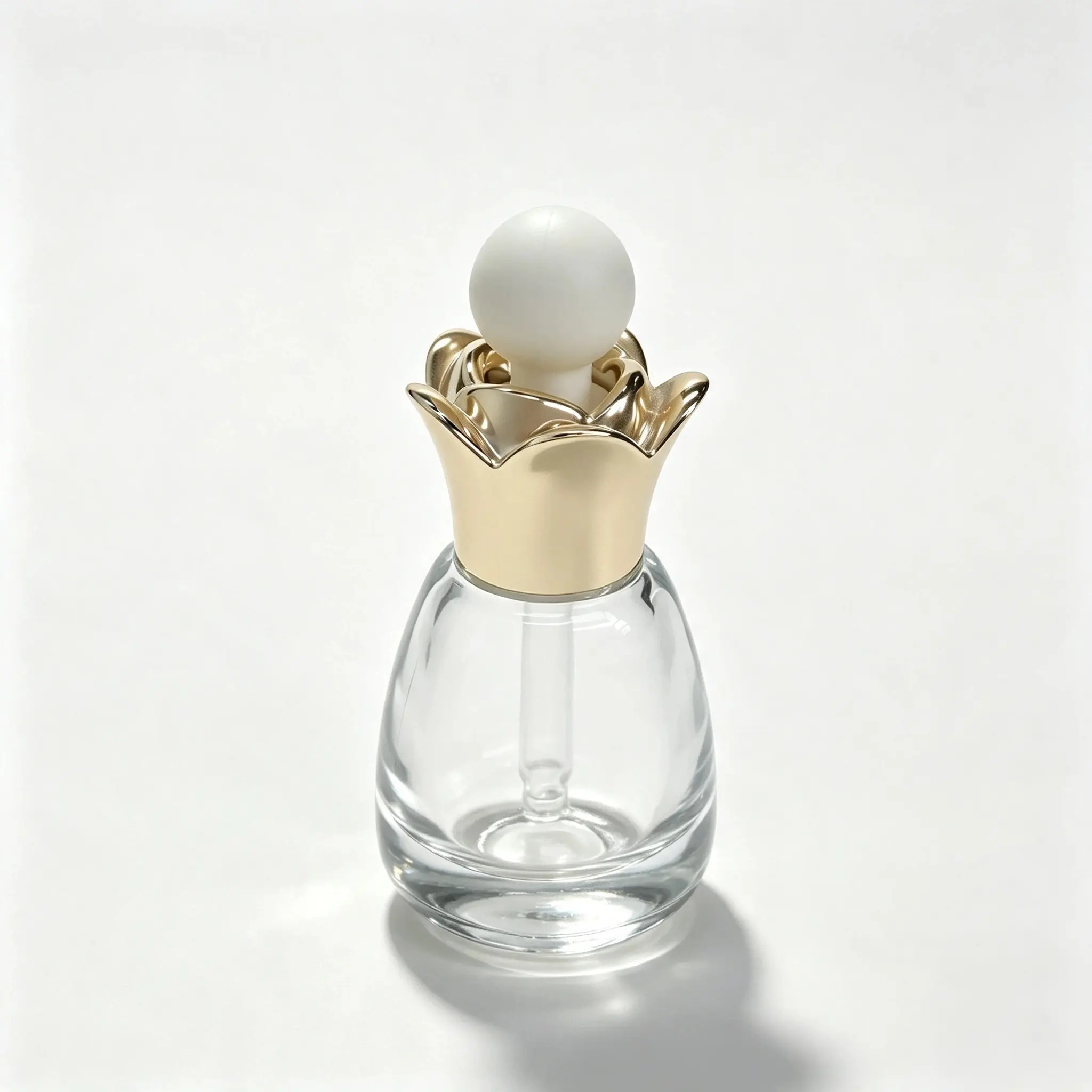
For this product, the dropper is part of a packaging system that must be confirmed together with the bottle neck, collar, cap, and pipette arrangement. The product images show the dropper component and neck area, but the exact thread or neck-finish specification has not yet been confirmed. Buyers should therefore avoid locking artwork, pipette dimensions, or outer-carton inserts around an assumed neck standard.
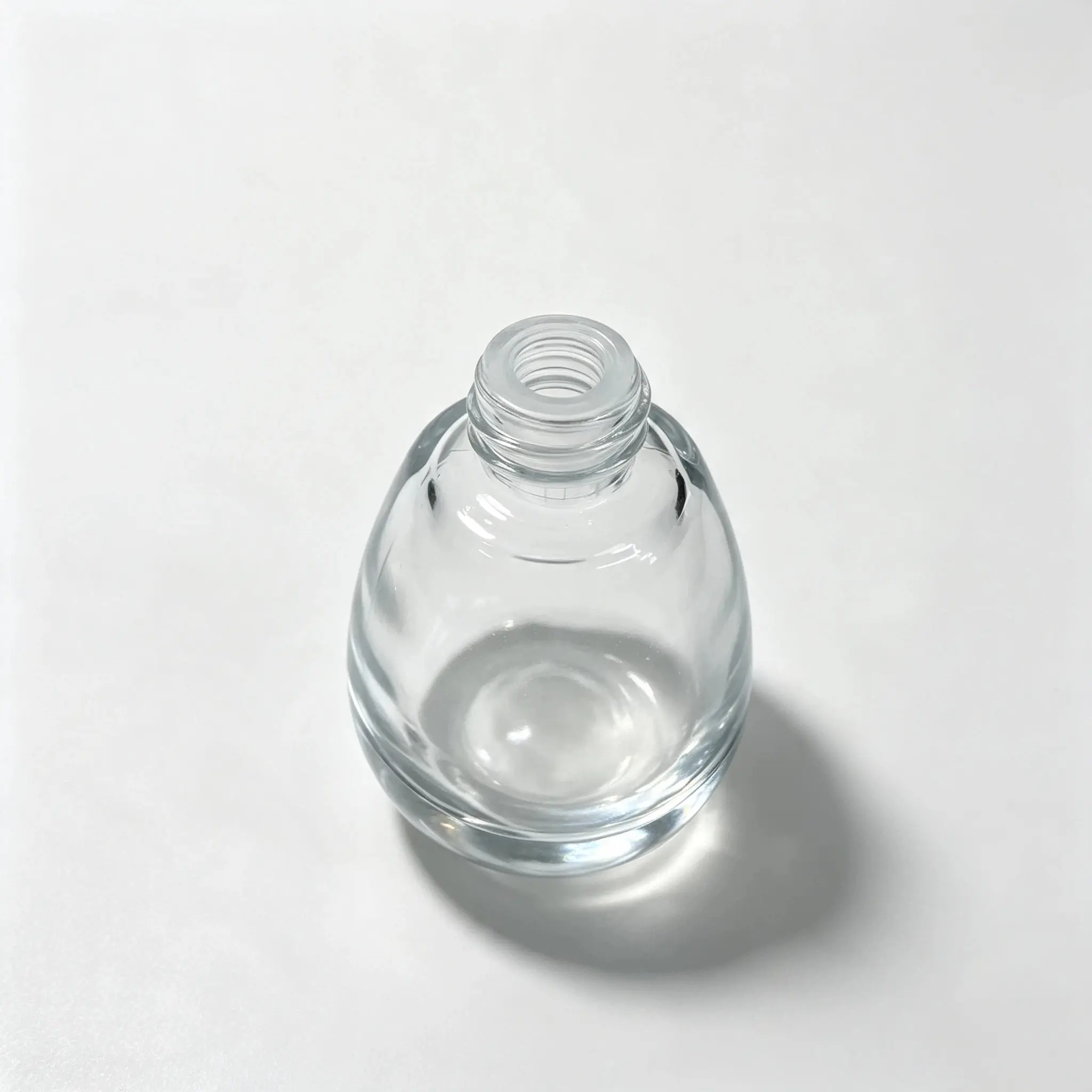
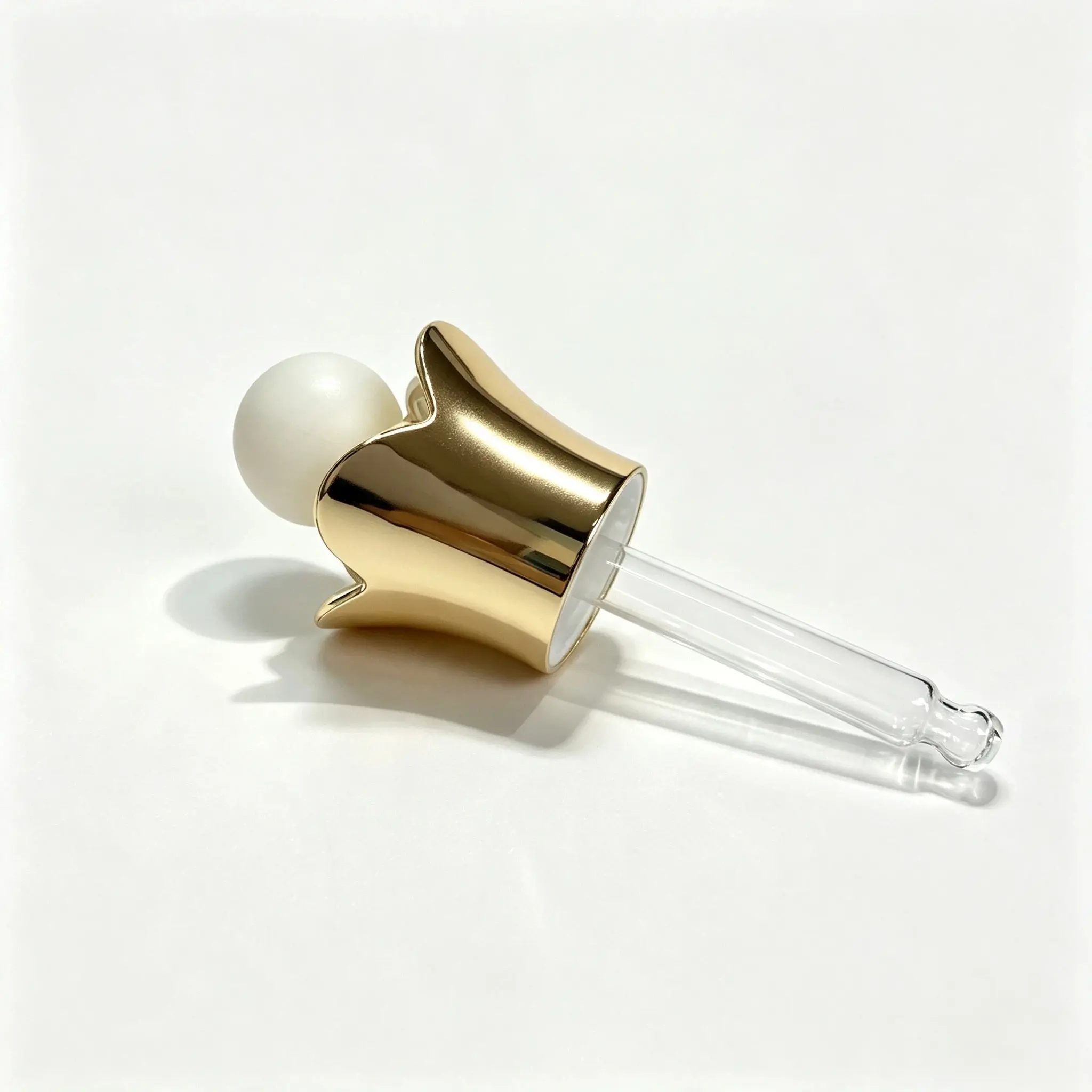
- Neck finish: Needs confirmation before the closure specification is frozen.
- Dropper assembly: Confirm the selected dropper, collar, pipette length, and cap configuration against the actual bottle sample.
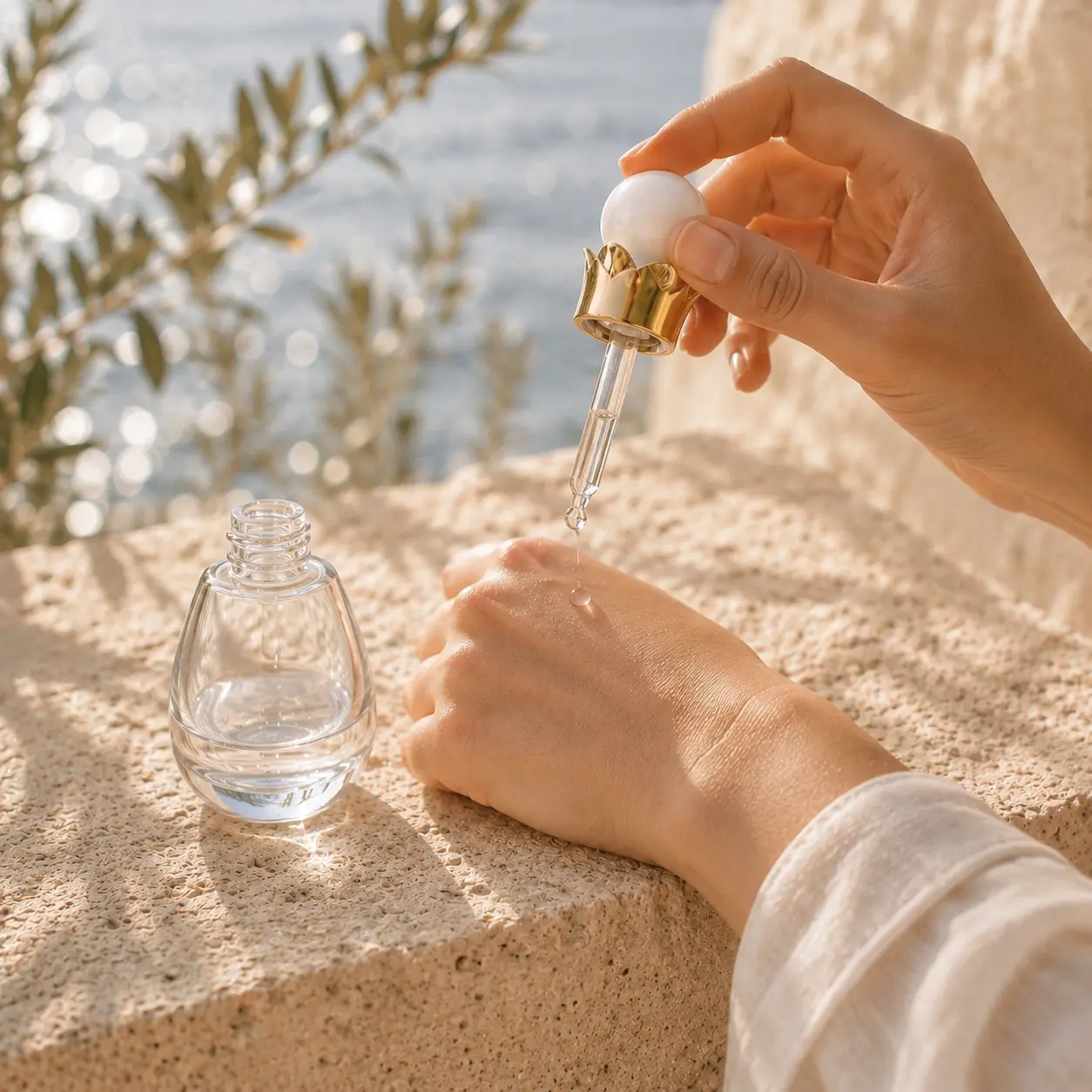
- Formula trial: For serum or essential-oil use, evaluate the selected formula in the assembled sample because viscosity and formula contact can influence dispensing behavior and component suitability.
- Artwork clearance: Confirm how the closure and collar sit above the bottle before defining the upper printing area or label position.
Silk-Screen Printing, Coating, Electroplating and Decal Options
The bottle can be developed with silk-screen printing, coating, electroplating, and decals, giving brand teams several routes for creating custom serum dropper bottle packaging without changing the basic 30ml format. These methods serve different artwork goals, so decoration should be selected after the bottle surface, graphics, color target, and final closure combination are agreed.
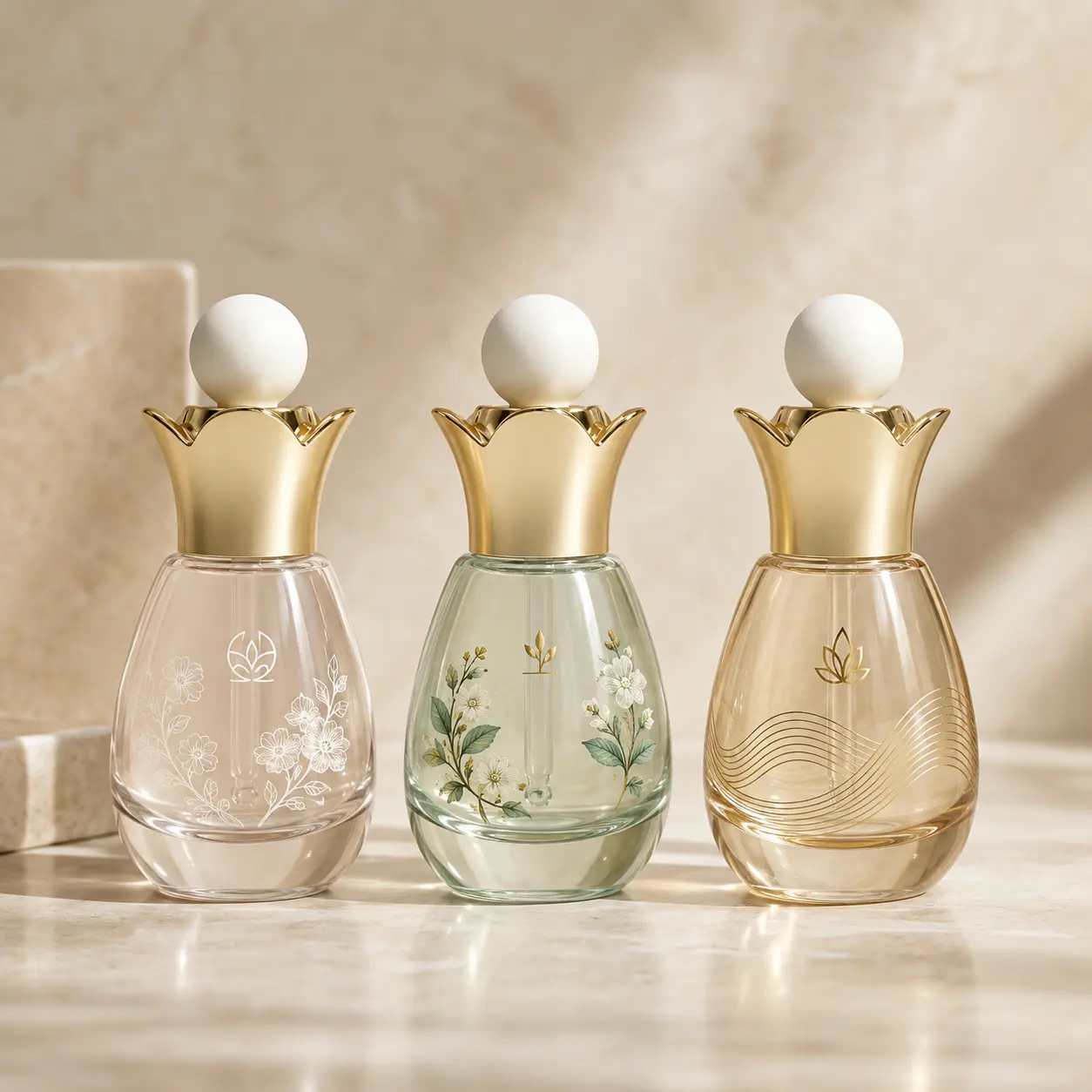
- Silk-screen printing: A practical route for direct logo or text application when the artwork is suitable for the available printable bottle area.
- Coating: Useful when the project requires a broader change to the bottle’s visible surface appearance; the target color should be approved through a physical sample.
- Electroplating: Can be considered for selected decorative effects, with the exact coverage and final appearance confirmed during sampling.
- Decals: Useful for artwork that requires a different graphic treatment from direct screen printing.
- Color approval: Digital references can communicate direction, but the final bottle, print color, and logo appearance should be approved on a decorated sample before bulk production.
Wholesale Customization and Sample Approval for 30ml Dropper Packaging
For wholesale and private-label packaging projects, FOLOVER PACK can support this 30ml serum dropper bottle as a configurable package rather than treating the bottle, decoration, and closure as unrelated items. The confirmed MOQ for this product is 100 pcs, allowing buyers to discuss a defined project quantity while still confirming the exact decoration route and component combination before ordering.
- Project briefing: Provide the intended formula category, target quantity, artwork file, desired decoration, and preferred closure appearance.
- Sample direction: Start with the exact bottle-and-dropper combination that is closest to the intended production configuration.
- Decoration proofing: Approve logo size, print position, surface color, and any plated or decal effect on a physical sample when those options are part of the project.
- Bulk specification: Freeze the bottle, dropper, closure appearance, artwork version, and packing requirement as one purchasing specification.
For procurement teams, the safest approval sequence is bottle format first, selected dropper second, decoration third, and secondary packaging last. That sequence reduces the risk of creating artwork or inserts around an unconfirmed closure. Any change to the selected component set after sampling should trigger a review of artwork clearances and carton fit before the bulk specification is released.
30ml Bottle Dimensions and Secondary Packaging Development
The confirmed 30ml capacity and external dimensions are useful for early carton development, but they should not be treated as a substitute for the final production drawing or approved assembled sample. This is especially important when a folding carton, molded insert, gift set, or tightly fitted partition is being developed around the bottle.
- Capacity definition: Confirm whether the stated 30ml refers to the project’s intended fill volume or another capacity definition; this has not been specified in the confirmed data.
- Assembled dimensions: Use the 26 × 47 × 96 mm dimensions for preliminary space planning only.
- Bottle-only height: Use the confirmed 72 mm bottle height when evaluating bottle-only presentation or internal support points.
- Closure geometry: Confirm the final dropper and closure dimensions before releasing insert tooling or close-fitting carton structures.
- Visual approval: Approve decoration and component appearance together so the final package is reviewed as one visual system.
The confirmed dimensions are suitable for preliminary packaging evaluation. Final secondary-pack dimensions should follow the confirmed production drawing and the selected component sample.